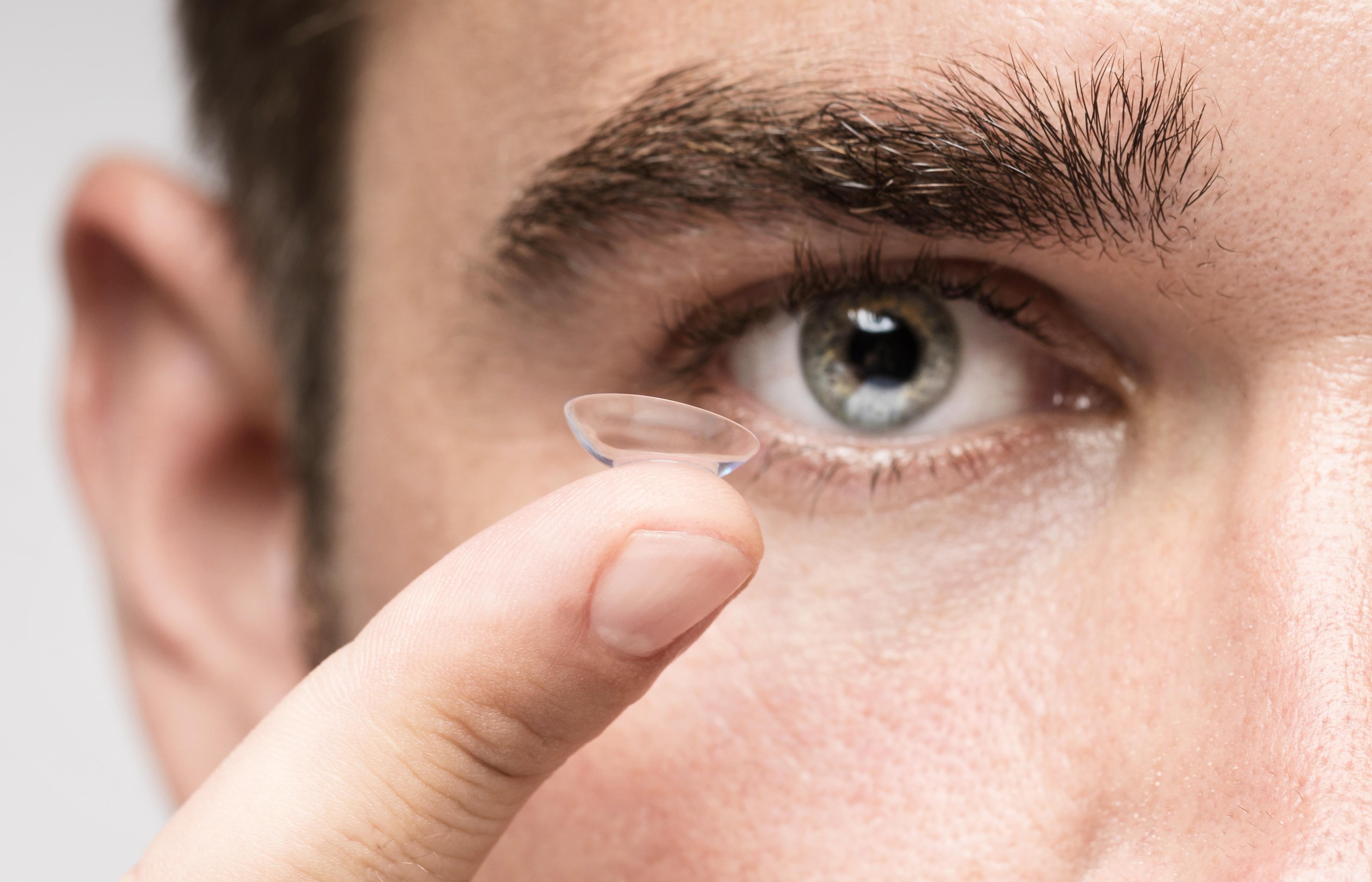
Colored contact lenses might seem like a fun way to change your look or dress up for special occasions. The surprising truth? These trendy accessories are medical devices that need proper prescription and handling . The safety implications made me research this topic extensively.
Most people don't know that a doctor must prescribe all colored contact lenses, including the purely decorative ones . The U.S. Food and Drug Administration regulates these products just like prescription vision lenses to ensure safety and effectiveness . We'll learn about FDA approved colored contact lens safety standards and legitimate products available in the US . Your vision health faces serious risks when you wear non-prescribed lenses, and buying them without a prescription violates regulations .
What Are FDA-Approved Colored Contact Lenses?
The U.S. Food and Drug Administration strictly controls colored contact lenses to protect your eye health. Many people see these products as fashion accessories, but federal law views them differently. Let's get into what makes a colored contact lens "FDA-approved" and why this difference matters for your safety.
Definition and Classification as Medical Devices
FDA-approved colored contact lenses are eye coverings that have passed strict regulatory reviews. These products don't fall under cosmetics despite their decorative use. They belong to a tougher category - medical devices.
On November 9, 2005, section 520(n) was added to the Federal Food, Drug, and Cosmetic Act stating that all contact lenses are devices under section 201(h) of the Act . This rule applies to every contact lens whatever its purpose - vision correction or looks alone . On top of that, these products go by many names like decorative, cosmetic, theatrical, circle, or costume lenses .
Companies must get FDA clearance through a premarket notification (510(k)) or approval via a premarket approval application (PMA) to sell colored contact lenses in the United States . This system will give the same level of scrutiny to non-corrective lenses as vision-correcting ones.
The FDA calls colored contact lenses Class II medical devices . This label recognizes their risks and puts proper controls in place. Because of this classification, you need a valid prescription from an eye doctor for all colored contacts - even ones without vision correction .
Why FDA Approval Matters for Eye Safety
FDA approval protects consumers who want colored contacts. Products must meet tough safety, efficacy, and quality standards before reaching the market . Without this check, your eyes could face serious problems.
The approval process makes manufacturers prove their lenses pass key tests:
- Biocompatibility - ensuring materials are safe for extended wear
- Color stability - confirming no pigment leakage occurs
- Optical clarity - verifying lenses don't cause blurred vision
Approved colored contacts must come from facilities that meet strict quality control and hygiene standards. This rule ensures all products are safe and consistent . Companies use sterile production spaces, safe pigments, and tested materials .
This detailed system exists with good reason too. FDA-approved colored contacts go through extensive testing to lower risks of eye infections, corneal damage, and allergic reactions . Non-approved lenses might contain harmful materials or have poor quality that can hurt your eyes.
A prescription does more than just paperwork. Your eye doctor needs to measure each eye to fit the lenses right and see how your eyes react to them . Poorly fitted lenses can scratch your cornea, cause infections, lead to pink eye, reduce vision, and in worst cases, cause blindness .
These health risks show why you should only buy FDA-approved colored contact lenses. The approval process isn't just red tape - it's a detailed system that keeps your eyes safe while letting you change their color safely.
Health Risks of Non-FDA Approved Lenses
Non-FDA approved colored contact lenses can permanently damage your eyes, unlike their regulated counterparts. Beauty shops, costume stores, and online retailers sell these unregulated lenses without prescriptions. They might look harmless but can lead to devastating damage.
Corneal Abrasions and Eye Infections
Your eye won't properly fit non-prescription colored lenses. These poorly fitting lenses can scratch the outer layer of your cornea and create painful abrasions . These scratches aren't just uncomfortable - they let dangerous pathogens enter your eye.
A shocking study revealed that colored contact users were 16 times more likely to develop keratitis than regular contact lens users . Keratitis, a severe corneal infection, can progress faster toward vision-threatening complications.
The FDA tested over 300 illegally sold colored contact lenses and found that 60% contained microbial contamination . About 60% of colored contacts bought online without prescriptions had bacteria . These contaminated lenses directly transfer harmful microorganisms to your eye's surface.
The dyes in non-FDA approved lenses pose risks beyond bacteria. Scientists found chlorine and other harmful substances in over-the-counter tinted contacts. These chemicals are toxic to human tissue and can seep into your eye .
Vision Loss and Long-Term Damage
The first signs of eye irritation from non-approved lenses can quickly become serious problems. White dots appear on the colored part of your eye when corneal abrasions develop into ulcers . These ulcers leave permanent scars that affect vision if left untreated .
The damage from these lenses shows in the numbers. 60% of patients who got keratitis from non-prescription costume contact lenses lost their vision permanently . This fact shows just how much harm these lenses can cause.
Scarring marks just the beginning of long-term complications. People with severe ongoing problems face higher risks of cataracts and secondary glaucoma . Some cases become so bad that patients need corneal transplants to see again .
Bacterial infections can turn dangerous very fast. Without quick diagnosis and treatment, they can cause ulcers or blindness in just 24 hours .
Symptoms to Watch For
You can prevent permanent damage by spotting problems early. Take out your lenses right away and get medical help if you notice:
- Pain or discomfort that stays after removing lenses
- Redness and inflammation of the eye
- Excessive discharge (yellow, green, or watery)
- Increased sensitivity to light (photophobia)
- Blurry or decreased vision
- Swelling of the eye or eyelids
- Feeling something stuck in your eye that doesn't get better with blinking
These symptoms can show up within hours of wearing contaminated or ill-fitting lenses . Eye infections from non-FDA approved colored contacts can get worse quickly and may cause permanent vision damage without prompt treatment .
The esthetic appeal of non-FDA approved colored contact lenses doesn't justify the risks to your eye health. FDA-approved colored lenses, when properly fitted, offer the only safe way to change your eye color without risking your vision.
Do’s and Don’ts for Safe Lens Use
Let's look at how to safely use FDA approved colored contact lenses. Eye care professionals recommend these essential practices to protect your vision when using these medical devices.
Always Get a Prescription
You need a proper prescription - this isn't optional, even for non-corrective colored lenses. Federal law requires all contact lenses to have a prescription from a qualified eye care professional, and with good reason too. A proper fitting helps prevent serious complications.
Your doctor will measure your eyes to make sure the lenses fit right during an eye exam. This is a vital step because poorly fitted lenses can lead to corneal abrasions, oxygen deprivation, and other issues. The exam lets professionals spot any eye conditions that might make contacts unsafe for you.
Once you have your prescription, buy only from legitimate retailers who verify prescriptions. This way, you'll get genuine FDA approved colored contact lenses instead of fake products.
Never Share Lenses
There's one absolute rule - never share colored contact lenses with anyone. These medical devices are fitted just for your eyes. Sharing them passes bacteria and other pathogens straight to your eye surface.
The dangers go beyond just infections. Everyone's eyes have unique shapes and measurements. Using someone else's lenses can harm your cornea if they don't fit right. Contact lenses also adapt to the original wearer's eye chemistry and shape, which makes them risky for others to use.
Follow Cleaning and Storage Instructions
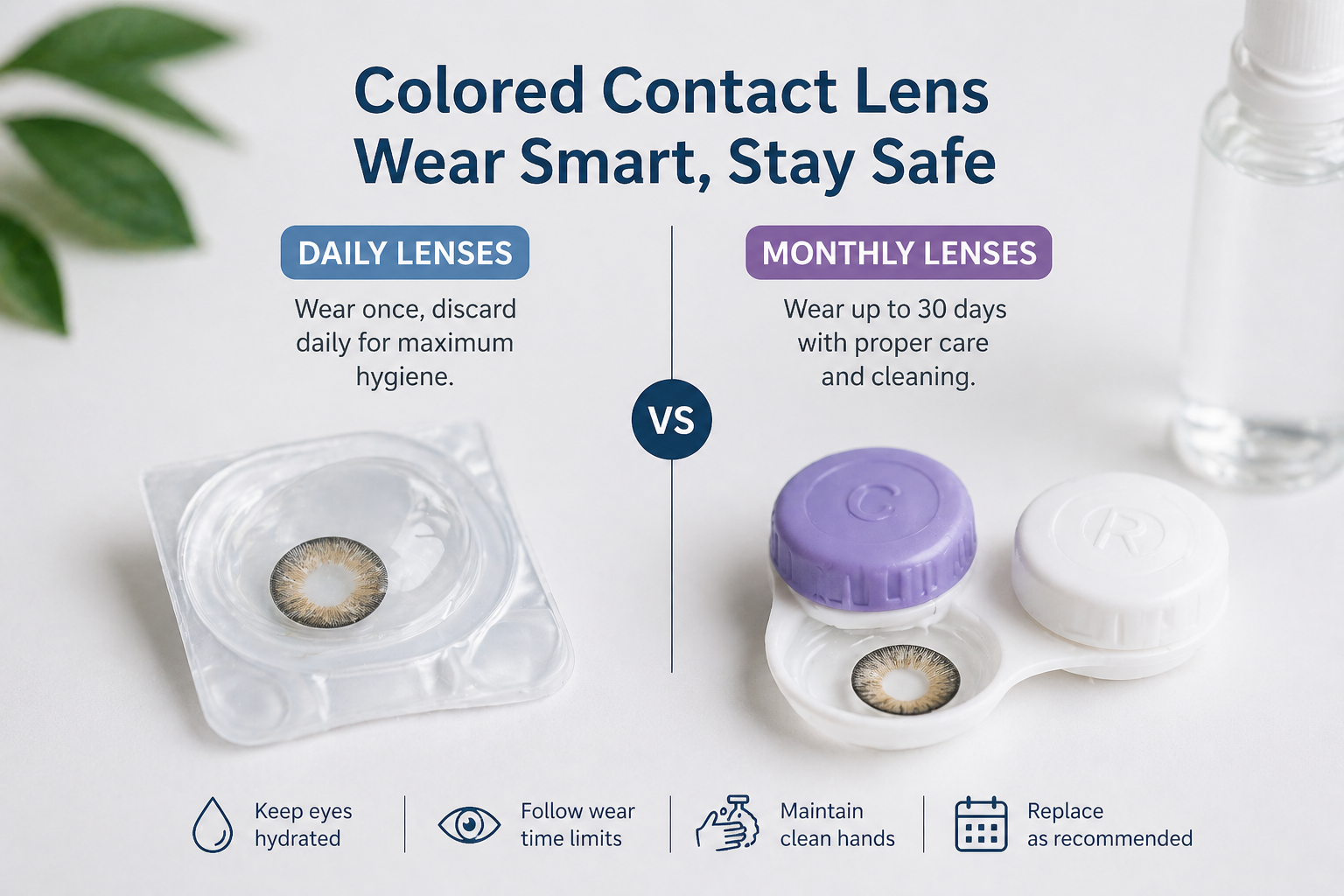
Taking good care of your FDA approved colored contact lenses will cut down your infection risk by a lot. Clean your hands really well with soap and water before touching lenses. Use a lint-free towel to dry them so no particles get on the lens surface.
Stick to the cleaning solution your eye doctor recommends. Never use tap water, homemade saline, or saliva instead. These can contain microorganisms that lead to serious eye infections. You should get a new lens case every three months to stop bacteria from building up.
Always use fresh solution for storage. Don't just top off old solution - this lets dangerous microbes grow. Stick to your prescribed replacement schedule - daily, bi-weekly, or monthly - whatever your lenses still feel comfortable.
When to Remove and Seek Help
Take your lenses out and get medical help right away if you notice:
- Persistent redness or irritation
- Unusual discharge
- Pain or discomfort
- Sensitivity to light
- Blurred vision
- Something in your eye that doesn't get better when you blink
Sleeping with non-extended wear colored contacts raises your infection risk because your cornea gets less oxygen. Take out your lenses before naps or bedtime unless your doctor says they're safe for overnight wear.
Pay attention to how your eyes feel while wearing contacts. Remove your lenses as soon as they feel uncomfortable. Don't wait to see if things get worse - call your eye care professional if problems continue after taking them out.
Where to Buy FDA-Approved Colored Contact Lenses
Getting FDA-approved colored contact lenses means knowing the right places to shop. Your eye health depends on finding legitimate retailers that sell authorized products. Let me walk you through the process of getting authentic FDA-approved colored contacts.
Authorized Retailers and Online Stores
You can find genuine FDA-approved colored contact lenses from several trustworthy sources. Your eye care professional's office stands out as the safest option. They check your prescription directly and provide quality products.
Shopping online? Some reliable retailers strictly follow FDA regulations. ContactsDirect exclusively sells FDA-approved colored lenses like Air Optix® Colors, Dailies® Colors, and various FreshLook® options . They work with most major insurance plans as an in-network provider.
offers another legitimate online option with FDA-approved brands such as Solotica, Freshlook, Air Optix Colors, Bella, Onya, Anesthesia, and Acuvue Define Lens.me. DimpleColor also makes the list of authorized retailers, shipping FDA-approved lenses to over 90 countries .
How to Verify FDA Approval
You need to take specific steps to confirm your colored contacts have FDA clearance. Your eye care professional can guide you toward safe, FDA-cleared decorative lenses that suit your eyes .
A valid prescription is mandatory - this rule applies to all contact lenses, even non-corrective colored ones. Federal law requires legitimate retailers to check your prescription with your doctor before completing your order .
The FDA provides online resources to verify specific brands' approval status. You can also reach out to manufacturers directly if you're unsure about their regulatory compliance.
Avoiding Illegal Sellers
Your eye health stays protected when you know how to spot unauthorized sellers. Stay away from colored contacts sold at:
- Street vendors, flea markets, or beauty supply stores
- Halloween or novelty shops
- Convenience stores
- Online retailers that don't require prescriptions
The Federal Trade Commission actively warns brick-and-mortar retailers about selling contacts without prescriptions. Violations can lead to civil penalties up to $42,530 per occurrence .
U.S. Customs has found and seized illegal lenses worth almost half a million dollars. These unauthorized products often fail basic safety tests . Counterfeit lenses might come from unsanitary factories, contain harmful chemicals, or use materials that don't let your cornea breathe properly.
Your vision deserves the best care possible. Stick to authorized sellers who verify your prescription - the risk isn't worth saving a few dollars when it comes to your eyes.
List of FDA-Approved Colored Contact Lenses Brands
Quality brands now make FDA-approved colored contact lenses that look great and protect your eyes. These products go through extensive testing to keep your eyes safe while giving you the look you want.
Top Brands Available in the US
Solotica leads the pack and people call it "the world's most natural colored contacts" with several FDA-approved lines including Hidrocor, Hidrocor Rio, Natural Colors, and Aquarella collections . Air Optix Colors gives you another reliable choice with high-grade materials that make them comfortable to wear . Johnson & Johnson's Acuvue Define works great if you want a subtle change to your eye color . You'll find other trusted FDA-approved brands like Bella, Anesthesia, and FreshKon too .
How to Check the FDA Database
You can check if your lenses have FDA approval in a few easy steps. Start by searching the FDA's online database for specific brands and products . The FDA uses special codes: LPM, LPL, and MVN for soft contacts, and HQD, MWL, and NUU for rigid gas permeable lenses . Your eye doctor can also tell you which colored lenses have proper clearance .
Tips for Choosing the Right Brand
Look for clear FDA approval labels or CE marking for European products when picking your brand . Water content and oxygen permeability matter - higher percentages usually mean you can wear them longer comfortably . Make sure you buy from authorized sellers who will check your prescription with your doctor - it's required by law .
Conclusion
This piece shows why FDA approval for colored contact lenses isn't just paperwork but a vital protection for your eye health. FDA-approved colored contacts substantially lower your risk of serious complications like corneal abrasions, infections, and permanent vision damage.
Your eyes need properly fitted, legally obtained lenses. Note that whatever color contacts you want - for daily wear or a special occasion - a proper prescription is essential. This rule exists with good reason too - medical devices placed directly on your eyes can't follow a one-size-fits-all approach.
Clean protocols, replacement schedules, and purchases from legitimate retailers protect your vision health. The extra effort to get FDA-approved lenses from authorized sellers pays off in safety and comfort.
Numbers tell the story - people using non-approved lenses are nowhere near as safe and face higher risks of infections and permanent vision damage. No cosmetic benefit justifies risking your eyesight. Brands like Solotica, Air Optix Colors, and Acuvue Define are FDA-approved options that blend safety with esthetic appeal.
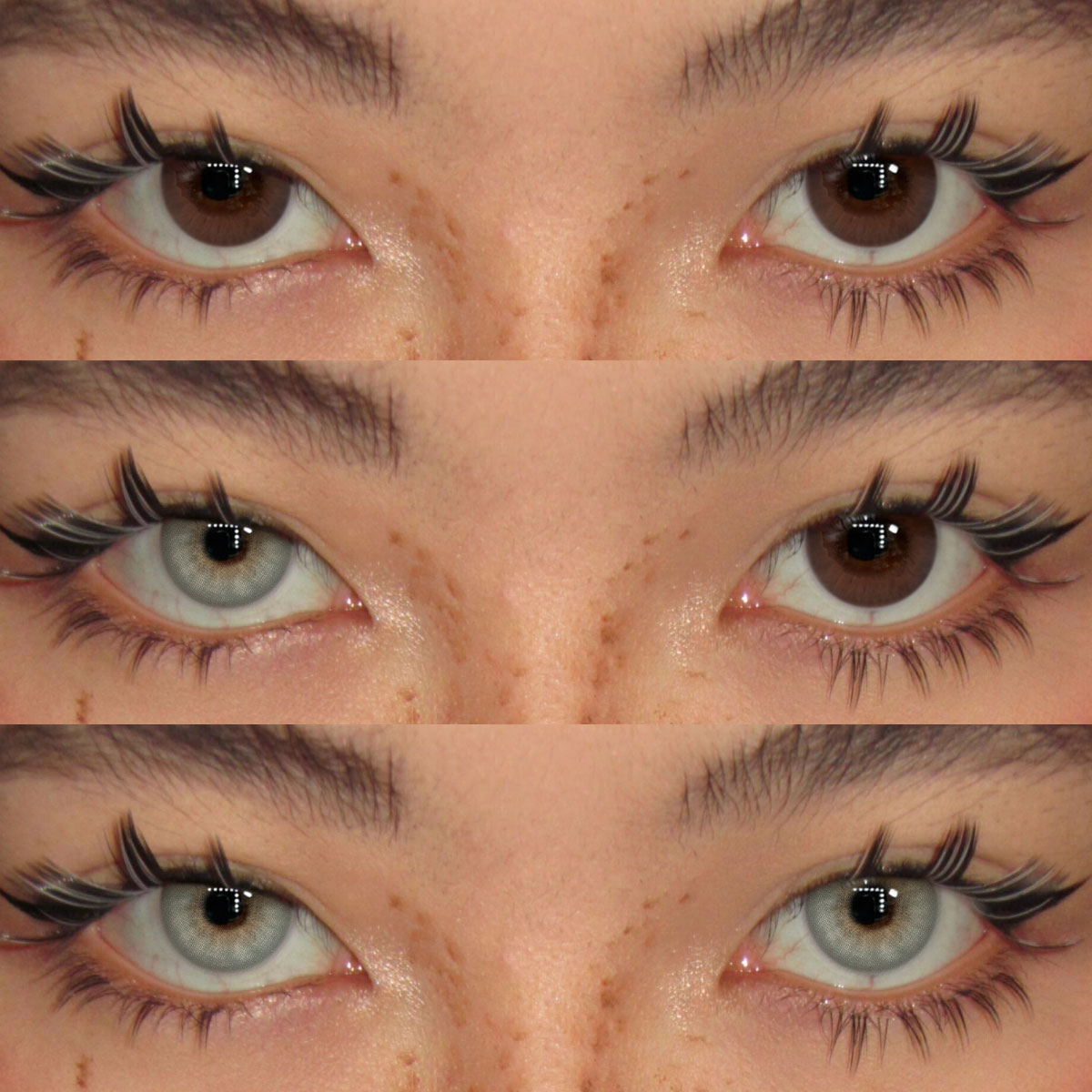
Colored contact lenses can revolutionize your look without risking your health if you choose wisely. Your vision is too precious to gamble with questionable products. You can achieve safe and stunning eye color changes - just use the proper channels to get them.