A surprising statistic reveals that 1 in 4 women report using non-prescription colored contact lenses, though this practice remains completely illegal in the United States .
The health implications are alarming. More than 60% of these wearers face eye problems that include pain, redness, itching, and swelling . Our experience as eye care professionals has shown the potential risks of decorative contacts bought without proper prescriptions. Bacterial infections from poorly fitted colored contact lenses can trigger corneal ulcers and lead to blindness within 24 hours without prompt treatment .
Colored contact lenses are medical devices regulated by the FDA, not simple over-the-counter products . A 2016 survey revealed troubling behavior patterns. All but one of these users involved themselves in non-hygienic practices - 85% of teens and 88% of adults put their vision at risk for severe eye infections .
Getting FDA-approved colored contacts safely is a vital step to protect your vision. This piece will explain why prescriptions are essential, what dangers non-prescription alternatives pose, and how you can properly buy and maintain these eye-enhancing accessories.
What Are Colored Contact Lenses and Why Do People Use Them?
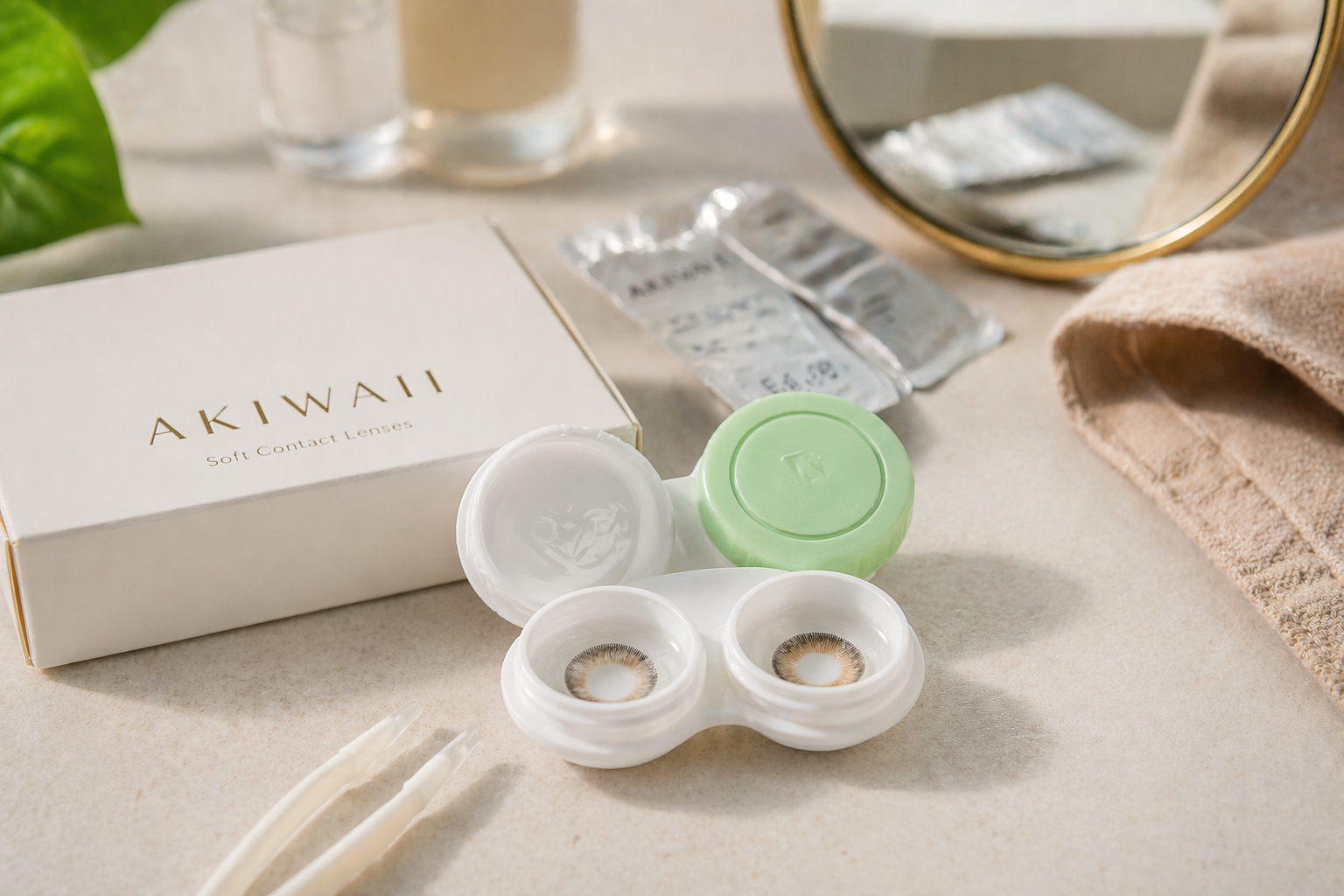
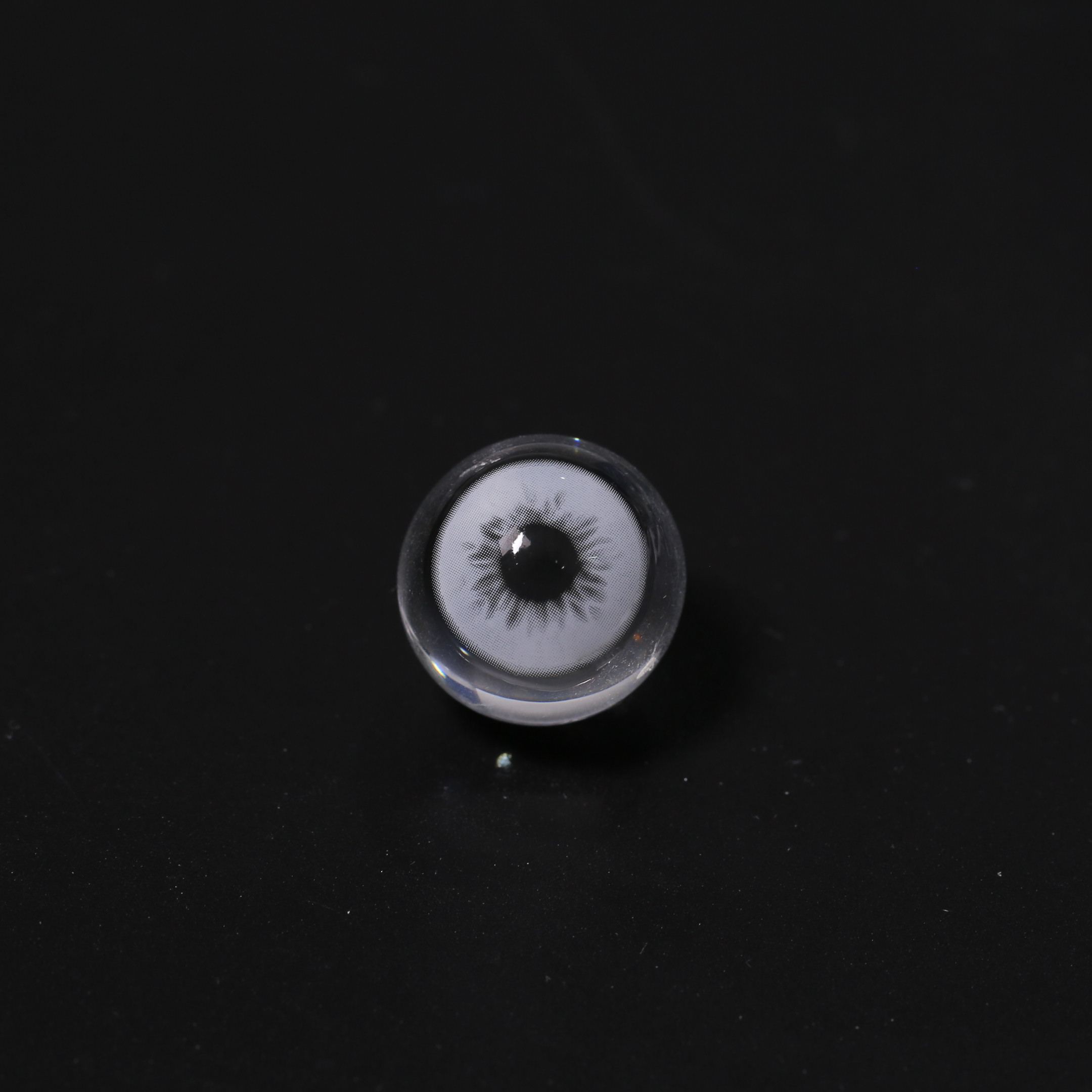
Colored contact lenses are FDA-regulated medical devices with tinted materials that change or improve eye color . These specialized lenses come in different designs that range from subtle improvements to dramatic changes in appearance.
Three main types of colored contacts exist today. Visibility tints have light blue or green coloration that helps users handle the lenses . Enhancement tints use translucent dyes to improve natural eye color . Opaque tints completely cover the iris and create an entirely new eye color .
People choose colored contacts for many reasons. Most want to improve their natural eye color by making blue eyes more vibrant or adding depth to light-colored eyes . Some want a complete change—turning brown eyes blue or creating special effects for costumes .
These lenses go beyond everyday fashion choices. Cosplayers depend on them for authentic character portrayals , and special effects makeup artists use them at themed events . Athletes choose sports-tinted lenses that improve contrast and reduce glare .
Colored contacts serve therapeutic purposes too. They help patients with ocular disfigurements restore their eyes' natural appearance . Fashion and entertainment industry professionals use them to create distinctive looks for models and actors .
Note that all colored contacts need a prescription from an eye care professional, whether they're for daily wear or special occasions .
The Hidden Dangers of Non-Prescription Colored Contacts
Using colored contact lenses without a prescription is both illegal and harmful to your eyes. Federal law classifies all contact lenses as medical devices that need proper prescription and fitting .
Non-prescription colored contacts often skip vital safety regulations and can cause severe complications. FDA studies show that 60% of counterfeit contact lenses contain harmful bacteria . These poorly fitted lenses can scratch your cornea and create painful abrasions that make your eyes susceptible to infection .
Costume contact lenses are thicker than regular ones and reduce oxygen flow to your corneas . Limited oxygen combined with poor fit creates perfect conditions for corneal ulcers and severe infections like keratitis.
Bacterial infections spread faster and can cause blindness within 24 hours without immediate treatment . Studies show that people who wear colored contacts face a 16 times higher risk of keratitis compared to regular contact lens users .
The dangers go beyond infections. Many non-prescription lenses contain toxic chemicals, including lead used to color them . Your eyes can absorb these harmful materials into your bloodstream.
You should never buy colored contacts from street vendors, beauty supply stores, Halloween shops, or online retailers that don't require prescriptions . Claims about "one size fits all" can be dangerous because contact lenses need specific fitting to your eye's measurements .
How to Safely Buy and Use Colored Contact Lenses
You need a complete eye exam to get colored contact lenses properly. Your vision might be perfect, but you still need a valid prescription from an ophthalmologist or optometrist . A specialized contact lens exam will measure your eye's surface to find the right lens size. Your doctor will also check your tear film to make sure contacts will feel comfortable .
Stay away from colored contacts sold at street vendors, beauty supply stores, flea markets, novelty shops, or Halloween stores . You should only buy FDA-approved colored contacts from sellers who check your prescription with your doctor . This step keeps your eyes safe from harmful products.
Here are the basic care rules you need to follow:
- Clean your hands really well with soap and water before touching lenses
- Use proper contact lens solution to clean and disinfect reusable lenses after each use—never use water
- Put your lenses in a clean case with fresh solution every time
- Get a new lens case every three months to avoid bacterial growth
Remember, sharing colored contacts with others puts you at high risk for infections . Take your lenses out right away if your eyes become red, painful, or teary, or if your vision changes . These signs might mean something serious that needs immediate medical care.
Your eye doctor will likely want to see you a week after you start wearing colored contacts to check how well your eyes are doing .
Conclusion
Colored contact lenses can transform your appearance, but safety should be your top priority. In this piece, we've highlighted why these products need proper medical supervision despite their cosmetic appeal.
These products are medical devices that need professional fitting and prescription, whatever their intended use. This isn't just red tape - it's to protect your health.
Buying lenses through unofficial channels puts you at substantially higher risk of serious complications. Bacterial infections, corneal ulcers, and permanent vision loss can happen from poorly fitted or manufactured lenses. The money you save on non-prescription lenses is nowhere near worth the potential risks to your eye health.
Your journey with colored contacts should start with an eye exam. You should only buy from legitimate retailers who check prescriptions and follow proper hygiene practices. On top of that, it's crucial to see an eye care professional right away if you experience any discomfort or redness while wearing colored lenses.
This information will help you make smart choices about colored contacts. Your eyes deserve professional care and FDA-approved products. Vision is precious—too valuable to risk just to improve your appearance temporarily. Make the right choice, stick to proper procedures, and you can safely enjoy the beauty of colored contacts.
-.png?w=2000&h=1500)