
Light grey eyes are rare in nature, but they have a soft and balanced beauty that many people admire. Because of this, many lens wearers choose light grey color contact lenses to create a subtle transformation without making their eyes look overly dramatic.
Unlike bright or heavily pigmented colored lenses, light grey tones often enhance the eyes gently. They add depth while still maintaining a natural appearance. When chosen correctly, these lenses can blend seamlessly with your natural eye color and skin tone.
But how natural do they actually look in real life? The answer depends on factors such as lighting, lens design, pigmentation, and how you style the rest of your look.
This guide explains how light grey color contact lenses appear in real-world situations and how to make them look as natural as possible.
Why Light Grey Contact Lenses Are Considered Natural-Looking
Many people assume that grey lenses will look bold or dramatic. In reality, light grey shades tend to be among the most subtle colored contacts available.
Light grey lenses enhance the eyes softly
Light grey lenses add brightness without drastically changing your appearance. Instead of creating a strong color contrast, they create a soft halo effect around the iris.
This gentle enhancement is one reason light grey color contact lenses are popular for everyday wear. They provide visible change but remain elegant and understated.
Light grey vs darker or vibrant lens colors
Compared to darker grey, blue, or green lenses, light grey shades are less intense. Darker lenses can appear more opaque and striking. Bright colors can sometimes overpower natural eye tones.
Light grey, however, sits between natural and enhanced. It reflects light softly and blends more easily with existing eye pigments.
This balance allows the eyes to appear brighter without looking artificial.
Why light grey blends well in everyday settings
Another reason grey lenses appear natural is that grey is a neutral color. It pairs well with many skin tones, makeup styles, and lighting environments.
Because of this versatility, light grey color contact lenses often look appropriate in casual settings, work environments, and daily social situations.
They enhance the eyes without making them the only focal point of your face.
How Light Grey Contact Lenses Look in Real-Life Lighting
Lighting plays a major role in how colored contacts appear. The same lenses may look slightly different depending on the environment.
Appearance in natural daylight
Natural daylight usually brings out the most realistic look in grey lenses.
Sunlight reflects gently off the pigment layers in the lens, creating a soft shimmer. The result is an eye color that appears bright but still natural.
In outdoor lighting, light grey color contact lenses can appear slightly silver or icy, depending on the lens pattern.
However, they rarely look harsh. Instead, they tend to give the eyes a calm, luminous effect.
How indoor lighting changes their appearance
Indoor lighting often softens lens colors even more.
Warm indoor lights may slightly mute the grey shade, making the eyes appear softer and more neutral. Cooler LED lighting may highlight the grey tones more clearly.
In most indoor environments, the lenses still appear natural because the color is not overly saturated.
This makes them suitable for daily wear at work, events, or casual gatherings.
Why opacity and pattern matter
Not all lenses are designed the same way. Two key factors influence realism:
- Opacity level
- Lens pigment pattern
Highly opaque lenses cover the natural iris more strongly. This can sometimes make lenses appear less natural.
More transparent designs allow some of your natural eye color to blend with the grey pigment. This layered effect helps light grey color contact lenses look more realistic.
Natural patterns that mimic the iris texture also improve the overall look.
Who Light Grey Contact Lenses Suit the Most
Grey lenses can work for many people, but certain features help them appear especially natural.
How do they look on dark eyes
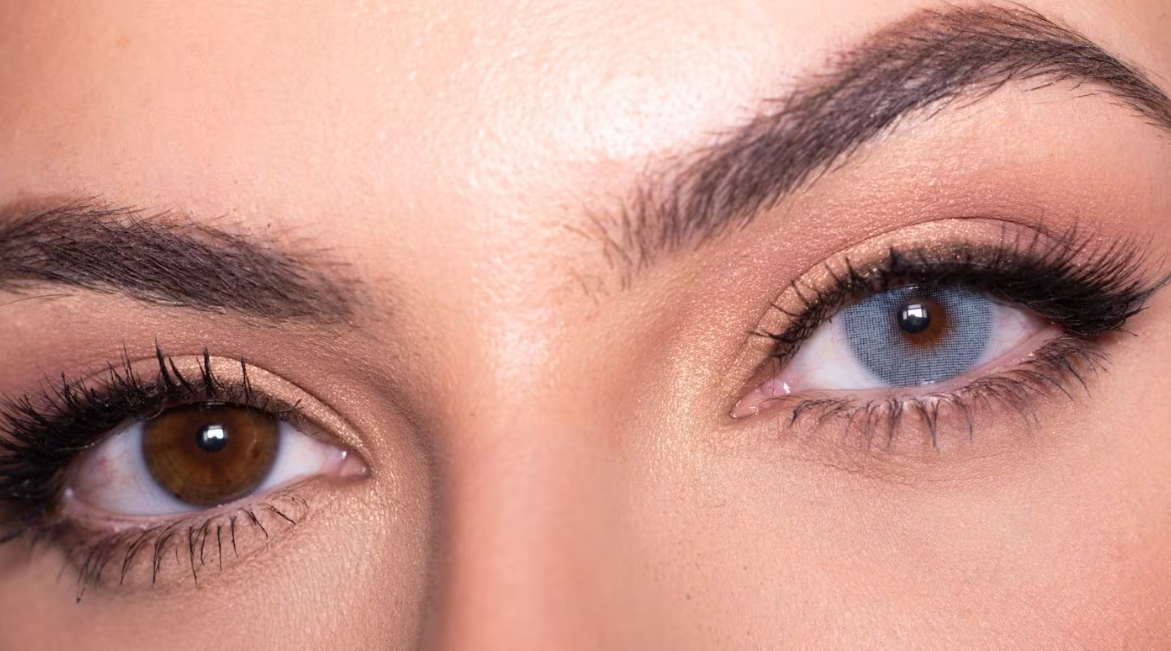
People with dark brown eyes often wonder if grey lenses will look believable.
The answer depends on the opacity and design of the lens. High-quality lenses are created specifically to show color on darker eyes.
When applied correctly, light grey color contact lenses can transform dark eyes into a soft grey tone while still looking balanced.
The natural blending between the dark pupil and grey outer area often creates a realistic gradient.
Compatibility with different skin tones
Grey lenses are surprisingly versatile across many skin tones.
Fair skin tones often create a cool, icy look with grey lenses. Medium skin tones produce a balanced and elegant contrast. Deeper skin tones can create a striking yet sophisticated effect.
Because grey is a neutral color, it adapts well to different undertones.
Ideal for minimal makeup users
Light grey lenses work especially well for people who prefer simple makeup.
Heavy makeup combined with bold lenses can sometimes look too dramatic for everyday situations. However, light grey color contact lenses pair beautifully with light foundation, soft blush, and neutral eyeshadow.
This combination keeps the overall appearance natural and effortless.
Choosing Light Grey Contact Lenses That Look Realistic
Selecting the right lens design is the most important factor for achieving a natural look.
Soft limbal rings look more natural
The limbal ring is the darker circle around the outer edge of the lens.
Very thick or dark limbal rings can make lenses appear more cosmetic. While this style works well for dramatic looks, it may appear less natural.
Lenses with soft or faded limbal rings tend to look more realistic.
They blend smoothly with the eye rather than creating a sharp outline.
Picking the right diameter
Lens diameter affects how large the eyes appear.
Large diameters create a doll-like effect that some people enjoy. However, smaller or moderate diameters tend to look more natural.
For everyday wear, lenses that match the natural iris size help maintain realism.
Blend patterns matter
High-quality lenses use multi-layer pigment patterns. These patterns replicate the natural texture of the iris.
When the design includes subtle color gradients, light grey color contact lenses blend more smoothly with the eye.
Flat or solid colors, on the other hand, may appear artificial.
Choosing lenses with detailed patterns helps create a more lifelike effect.
Styling Tips for a Natural Look With Light Grey Contact Lenses
Even the most natural lenses can look more realistic when styled properly.
Makeup shades that complement grey lenses
Grey lenses work best with soft and neutral makeup shades.
Recommended colors include:
- Taupe
- soft brown
- dusty pink
- champagne shimmer
These tones enhance the eyes without competing with the lens color.
Avoid overly bright or heavy eyeshadow if the goal is a natural everyday look.
Outfits that pair well with grey eyes
Grey lenses complement many wardrobe styles.
Neutral outfits often highlight the subtle elegance of grey eyes. Colors like beige, black, white, navy, and soft pastels all work well.
Because light grey color contact lenses are not overly bold, they adapt easily to both casual and formal fashion.
Keeping makeup light for realism
Minimal makeup often creates the most believable appearance.
Soft eyeliner, light mascara, and natural brows help maintain balance. When the rest of the face is subtle, the lenses blend naturally rather than appearing overly styled.
This approach keeps the overall look refined and effortless.
Conclusion
Light grey lenses are one of the most subtle and versatile colored contact options available. They brighten the eyes while still maintaining a natural feel.
When designed with soft patterns and moderate opacity, light grey color contact lenses can blend seamlessly with your natural iris. Lighting, lens quality, and styling choices all influence how realistic they appear.
For the most natural effect, choose lenses with gentle pigment gradients, soft limbal rings, and realistic iris textures.
Pairing them with simple makeup and balanced outfits helps enhance their realism even further.
When chosen and styled correctly, light grey lenses can create an elegant and believable eye color transformation that works beautifully in everyday life.
FAQs
Do light grey contact lenses look natural on dark brown eyes?
Yes. High-quality lenses designed for dark eyes use layered pigments that allow grey tones to show clearly. With the right design, the transition between the pupil and lens color appears smooth and natural.
Are light grey color contact lenses noticeable in real life?
They are noticeable, but in a subtle way. Instead of looking dramatic, they usually brighten the eyes and add depth. Many people describe the effect as soft rather than bold.
Can light grey contact lenses be worn daily?
Yes, many people wear them as part of their daily routine. However, proper hygiene and lens care are essential. Always follow recommended wear schedules and cleaning practices.
Do light grey lenses look different in photos compared to real life?
Yes. Camera lighting and filters can sometimes make the color appear brighter or more intense. In real life, light grey color contact lenses often appear softer and more natural than they do in photos.

-.png?w=2000&h=1500)