Blue colored contact lenses are one of the most popular cosmetic lenses for people who want to enhance or completely transform their eye color. Whether you're looking for a subtle icy blue shade, vibrant sapphire eyes, or a natural-looking tint, these lenses can instantly change your appearance without any permanent commitment.
However, one question continues to come up before people buy them:
Are blue colored contact lenses actually safe?
The short answer is yes, but only when they are genuine, properly fitted, and used correctly. The safety of colored contact lenses depends much more on the quality of the lens and how you care for it than on the color itself.
In this guide, you'll learn how blue colored contact lenses work, whether they're safe for everyday use, common risks to avoid, proper lens care, and how to choose lenses that protect your eye health while giving you the look you want.
How Safe Are Blue Colored Contact Lenses?
Blue colored contact lenses are considered safe when they are manufactured using high-quality materials, meet recognised safety standards, and are worn according to the manufacturer's instructions.
Many people assume that coloured lenses are different from regular contact lenses. In reality, they are made using the same soft contact lens materials. The only difference is that coloured lenses contain a specially printed pigment layer that changes the visible colour of your iris.
Importantly, the colour pigment is sealed inside the lens material and does not come into direct contact with your eye.
When purchased from a trusted retailer and cared for properly, blue colour contact lenses are generally as safe as clear contact lenses.
What Makes Blue Colored Contact Lenses Safe?
Several factors determine whether your lenses will be comfortable and safe.
High-Quality Lens Materials
Modern coloured lenses are typically made from soft hydrogel or silicone hydrogel materials designed to allow oxygen to reach the cornea.
Good oxygen flow helps maintain:
- Comfortable wear
- Healthy eyes
- Reduced dryness
- Lower risk of irritation
Low-quality lenses often use inferior materials that may reduce oxygen transmission and cause discomfort during extended wear.
Encapsulated Colour Technology
One of the biggest concerns people have is whether the blue pigment touches the eye.
In quality lenses, the answer is no.
The coloured design is sealed between layers of lens material, meaning your eyes never come into contact with the dye itself.
This technology allows manufacturers to create vibrant blue shades without compromising comfort.
Sterile Manufacturing Standards
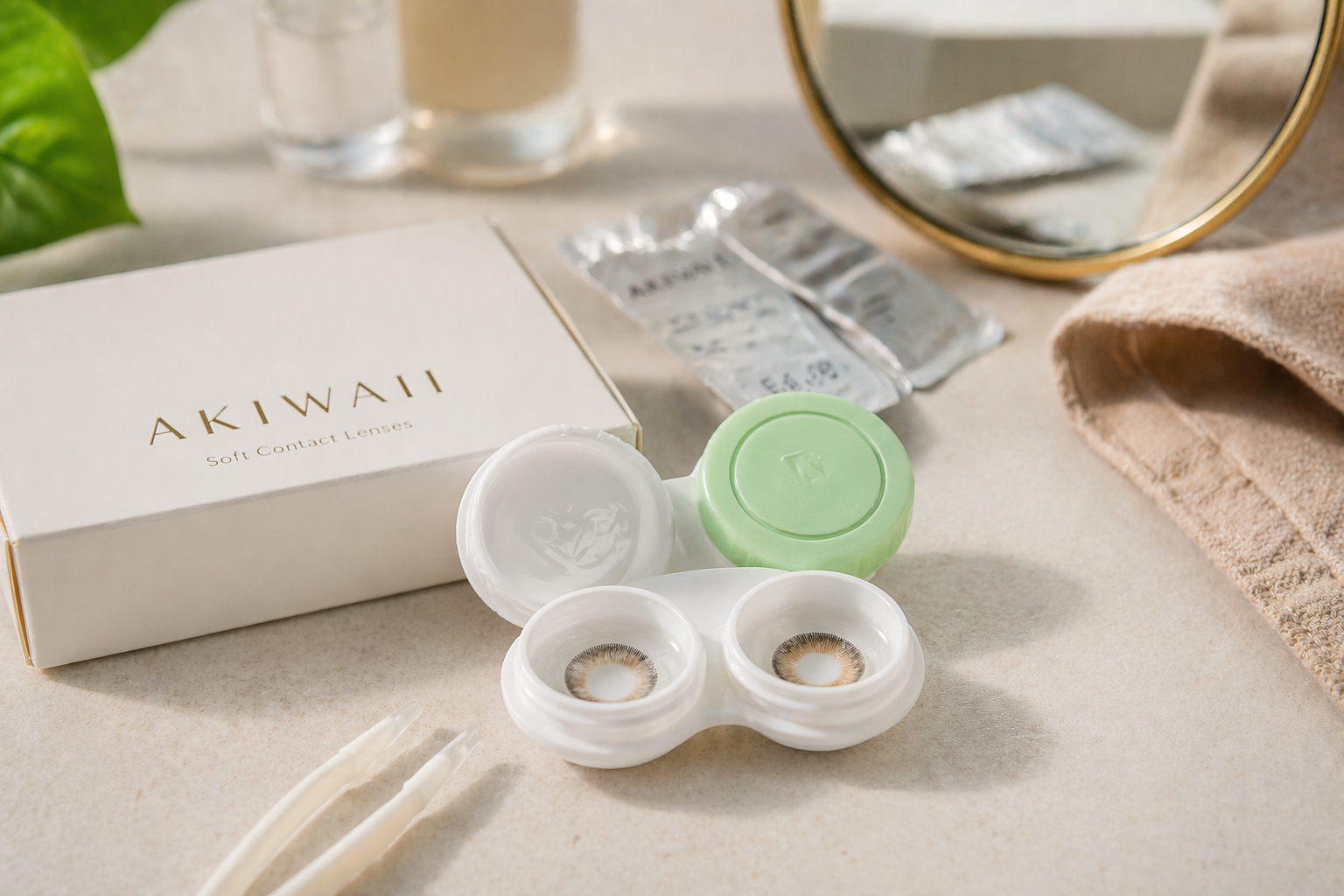
Trusted manufacturers produce contact lenses in sterile environments and package them in sealed blister packs containing sterile solution.
Never use lenses if:
- The packaging is damaged
- The seal has been broken
- The solution appears cloudy
- The expiry date has passed
Are Blue Contact Lenses Safe for Daily Wear?
Yes, many blue colored contact lenses are designed for daily use, provided you follow the recommended wearing schedule.
However, "daily wear" doesn't necessarily mean "daily disposable."
Different replacement schedules include:
- Daily disposable lenses
- Monthly replacement lenses
- Quarterly replacement lenses
- Annual cosmetic lenses (where permitted)
Each type has specific cleaning and replacement requirements.
Always follow the manufacturer's instructions rather than extending the life of your lenses.
Common Risks of Wearing Blue Color Contact Lenses
Most complications occur because of poor lens hygiene rather than the lenses themselves.
Here are the most common issues.
Poor Cleaning Habits
Dirty lenses allow bacteria and protein deposits to build up.
This may lead to:
- Eye irritation
- Redness
- Blurred vision
- Eye infections
Always clean reusable lenses with fresh contact lens solution.
Wearing Lenses Too Long
Even breathable lenses reduce oxygen reaching the eye.
Overwearing them can result in:
- Dry eyes
- Corneal swelling
- Increased infection risk
- Eye fatigue
Never wear your lenses longer than recommended.
Sleeping in Cosmetic Contact Lenses
Unless your lenses are specifically approved for overnight wear, remove them before sleeping.
Sleeping in contact lenses significantly increases the risk of serious eye infections because oxygen supply to the cornea is reduced while your eyes are closed.
Sharing Contact Lenses
Sharing coloured lenses even for a few minutes is unsafe.
Doing so transfers bacteria, viruses, and other microorganisms between users.
Every pair of contact lenses should be used by only one person.
Buying Cheap Lenses from Unverified Sellers
One of the biggest safety concerns comes from purchasing counterfeit or poorly manufactured lenses.
Low-quality products may have:
- Uneven surfaces
- Poor oxygen permeability
- Inaccurate sizing
- Inferior materials
- Weak quality control
Choosing reputable suppliers helps minimise these risks.
How to Wear Blue Colored Contact Lenses Safely
Following a few simple habits greatly reduces the risk of complications.
Wash Your Hands First
Always wash and dry your hands before handling your lenses.
Avoid lotions or oily soaps immediately before inserting lenses.
Clean Reusable Lenses Properly
If you're wearing monthly or reusable lenses:
- Rub the lenses gently with solution
- Rinse with fresh solution
- Store them in clean disinfecting solution
- Never reuse old solution
Fresh solution provides better disinfection than topping up yesterday's liquid.
Replace Your Lens Case
Lens cases can become contaminated over time.
Experts generally recommend replacing your lens case every one to three months.
Remove Lenses Before Swimming
Water contains microorganisms that can attach to contact lenses.
Avoid wearing lenses:
- While swimming
- In hot tubs
- During water sports
- In the shower
If water contacts your lenses, replace them as recommended.
Follow Replacement Schedules
Never extend the life of your contact lenses to save money.
Old lenses accumulate deposits that reduce comfort and increase infection risk.
Can People with Dark Eyes Wear Blue Colored Contact Lenses?
Absolutely.
Many modern blue colored contact lenses are specifically designed for dark brown eyes. Thanks to advanced multi-layer pigment technology, these lenses can create vibrant blue shades while maintaining a realistic appearance rather than looking flat or artificial.
If you're wondering how blue colored contact lenses look on dark eyes, it's worth exploring how different shades interact with naturally dark irises before choosing your pair.
Depending on the lens design, you can achieve:
- Natural blue eyes
- Grey-blue eyes
- Bright sapphire blue
- Aqua blue
- Ice blue
The final appearance depends on your natural eye colour, lighting conditions, and the lens design. For a better idea of the results you can expect, read our guide on how blue colored contact lenses look on dark eyes, where we compare different blue shades on dark eye colours and explain what affects the final look.
Who Should Avoid Wearing Colored Contact Lenses?
Although coloured lenses are suitable for many people, they may not be ideal if you have certain eye conditions.
You should seek professional advice if you have:
- Chronic dry eye syndrome
- Frequent eye infections
- Severe allergies affecting the eyes
- Corneal disease
- Recent eye surgery
- Ongoing eye inflammation
A professional eye examination can determine whether cosmetic lenses are suitable for you.
Signs You Should Remove Your Lenses Immediately
Stop wearing your lenses if you experience:
- Persistent redness
- Sharp eye pain
- Blurred vision
- Excessive watering
- Swelling
- Light sensitivity
- Thick eye discharge
Continuing to wear lenses while experiencing these symptoms can worsen the condition.
If symptoms continue after removing the lenses, seek advice from an eye care professional promptly.
Choosing Safe Blue Color Contact Lenses
Not all cosmetic lenses offer the same level of quality.
When shopping, consider:
- Soft, breathable materials
- Clear replacement schedules
- Sterile packaging
- Comfortable fit
- Natural-looking colour patterns
- Reputable manufacturers
Avoid products that provide little information about their materials or care instructions.
Looking After Your Eyes While Wearing Colored Contact Lenses
Healthy eyes depend on more than just the lenses you wear.
Good habits include:
- Staying hydrated
- Taking breaks from screen time
- Giving your eyes occasional lens-free days
- Replacing lenses on schedule
- Attending regular eye examinations if you wear contact lenses frequently
These simple steps help keep your eyes comfortable over the long term.
Wrapping Up
Blue colored contact lenses are generally safe when you choose high-quality products, wear them responsibly, and follow proper hygiene practices. The colour itself doesn't make a contact lens unsafe; poor-quality lenses and incorrect usage are usually the real causes of problems.
Whether you're wearing blue color contact lenses for everyday style, special occasions, or cosplay, taking proper care of your lenses helps protect your eye health while ensuring lasting comfort.
By purchasing lenses from trusted retailers, following replacement schedules, cleaning reusable lenses correctly, and paying attention to any signs of irritation, you can enjoy a comfortable and confident coloured lens experience.
Frequently Asked Questions (FAQs)
Can blue colored contact lenses damage your eyesight?
No, properly fitted cosmetic contact lenses do not damage eyesight. Problems usually arise from poor hygiene, overwearing lenses, or using low-quality products.
Is it safe to sleep while wearing blue contact lenses?
No, unless the lenses are specifically approved for overnight wear. Sleeping in cosmetic lenses increases the risk of eye infections.
How long can I wear blue colored contact lenses each day?
Follow the wearing schedule provided by the manufacturer or your eye care professional. Avoid wearing them longer than recommended.
Do blue colored contact lenses require cleaning?
Daily disposable lenses should be discarded after one use. Monthly and reusable lenses require cleaning and disinfecting after every wear.
How do I know if my contact lenses aren't suitable?
If you experience persistent redness, pain, blurred vision, excessive tearing, or discomfort, remove the lenses immediately and consult an eye care professional if symptoms continue.
-.png?w=2000&h=1500)