
Blue eyes are often associated with brightness, clarity, and contrast. For people with dark brown or deep black eyes, achieving that look can feel challenging. Natural eye pigment is strong, which means the final appearance of lenses depends heavily on lens design and opacity.
That is where blue colored contact lenses come in. Modern lens technology allows darker eyes to achieve subtle blue tones or vibrant transformations without looking artificial. The key lies in choosing the right shade, pattern, and opacity.
In this guide, we will explore how blue lenses appear on dark eyes, what influences their final look, and how to choose the best style for natural everyday wear or statement looks.
Why Blue Contact Lenses Look Different on Dark Eyes
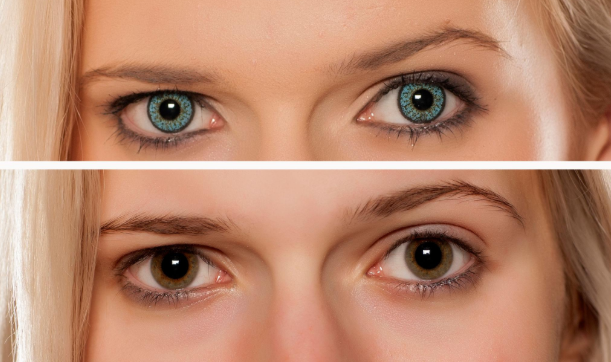
Dark eye pigments strongly affect how lenses appear once worn. Unlike lighter eyes, which can easily blend with colored lenses, darker eyes require lenses with higher opacity and carefully designed patterns.
How natural eye color affects lens visibility
Eye color is determined by melanin concentration in the iris. Dark brown eyes contain more pigment, which absorbs light and masks lighter colors. Because of this, lighter lenses need additional coverage to change the appearance effectively.
When blue colored contact lenses are worn on dark eyes, the lens design must block some of the natural pigment underneath. Without enough opacity, the blue tone may blend with the brown iris and appear grey or muted instead of vibrant blue.
Modern colored lenses use layered pigments to solve this. Multiple color rings and gradients help create depth while still covering darker eye tones.
Why some blue lenses look subtle while others look dramatic
Not all blue lenses are designed the same. Some are made to enhance the natural iris rather than completely change it. These enhancement lenses tend to look subtle on dark eyes because they allow more natural pigment to show through.
Opaque lenses, however, are designed specifically for darker irises. These lenses deliver stronger color transformation and allow blue colored contact lenses to appear brighter and more noticeable.
The final look can vary from a soft bluish tint to a vivid icy blue, depending on the lens design.
How Blue Colored Contact Lenses Appear on Dark Eyes
The appearance of blue lenses on dark eyes depends on several factors. Shade intensity, lens opacity, and lighting conditions all influence the final result.
Light blue vs deep blue on dark brown eyes
Light blue lenses often create a striking contrast with dark eyes. Shades such as ice blue or sky blue appear bright and dramatic because they contrast strongly with dark irises.
However, deeper shades like navy blue or sapphire often blend more naturally with dark brown eyes. These tones create a softer transition and can appear more realistic in everyday settings.
Many people choose blue colored contact lenses with layered tones that combine both lighter and darker blues. This design helps mimic the complexity of natural irises.
How opacity impacts the final eye color
Opacity refers to how much of the natural iris color is covered by the lens. For dark eyes, opacity plays a critical role in achieving a visible color change.
Low-opacity lenses create a tinted effect. The natural brown iris still shows through, which may produce a bluish-grey shade rather than a clear blue.
High-opacity lenses, on the other hand, block the underlying pigment and display the intended blue shade more accurately. Many blue colored contact lenses designed for dark eyes include multiple pigment layers to ensure the color stands out.
What to expect in natural daylight versus indoor lighting
Lighting conditions also influence how lenses appear. In bright daylight, blue lenses often look more vibrant and reflective. Sunlight enhances the contrast between the lens color and the natural iris.
Indoor lighting tends to soften the effect. Under artificial lights, blue colored contact lenses may appear deeper or slightly darker. This variation is normal and occurs with most colored lenses.
Understanding how lighting affects appearance helps set realistic expectations before choosing a lens shade.
Choosing the Right Blue Contact Lens Shade for Dark Eyes
Selecting the right shade is essential for achieving a flattering and natural look. The best blue lenses for dark eyes balance color intensity with realistic blending.
Ice blue vs bright blue vs natural blue tones
Ice blue lenses create the most dramatic transformation. Their bright tone stands out strongly against dark eyes and produces a striking visual effect.
Bright blue shades such as ocean blue or sapphire offer strong color while still maintaining some depth. These shades are popular because they look bold but not overly artificial.
For a more subtle look, natural blue tones are often the best option. These shades blend grey and blue pigments to create a softer appearance that works well for everyday wear.
Many blue colored contact lenses combine multiple tones to mimic the complexity of real eye color.
When to choose opaque blue colored contact lenses
Opaque lenses are the best choice for people with very dark eyes. These lenses contain denser pigment layers that prevent the natural iris from altering the final color.
If your goal is a noticeable transformation, opaque blue colored contact lenses will deliver more consistent results. They also tend to appear more vibrant in photographs and bright lighting.
Avoiding shades that look flat or unnatural
Some lenses appear flat because they lack depth or pattern. Natural irises contain multiple colors and textures. A single solid blue shade can sometimes look artificial.
High-quality lenses often include a limbal ring, gradient colors, and subtle patterns. These features help the lens blend with the natural eye and create a more realistic appearance.
Do Blue Contact Lenses Look Natural on Dark Eyes?
Many people wonder if blue lenses can look realistic on naturally dark eyes. The answer depends largely on lens design and styling choices.
Factors that make blue lenses look realistic
Several design features help colored lenses appear more natural:
- Multiple pigment layers
- Gradient color patterns
- Subtle limbal rings
- Blending zones that transition into the natural iris
When these features are present, blue colored contact lenses can mimic the depth and variation seen in natural blue eyes.
Importance of limbal ring and blending patterns
The limbal ring is the darker circle around the edge of the iris. Many colored lenses include a soft limbal ring to enhance definition and realism.
Blending patterns also helps avoid a harsh color boundary. These patterns allow the lens color to merge gradually with the natural iris.
Together, these design elements allow blue colored contact lenses to look more authentic even on darker eyes.
Common mistakes that reduce natural appearance
Certain choices can make colored lenses look less realistic:
- Choosing extremely bright shades without blending
- Selecting lenses with solid color blocks
- Ignoring lens size or diameter
Oversized lenses or overly intense colors may create an unnatural effect. Choosing balanced shades and patterns usually produces a better result.
Styling Tips for Blue Contact Lenses on Dark Eyes
The right styling can enhance the impact of blue lenses and create a polished overall look.
Makeup shades that enhance blue contact lenses
Makeup can highlight the color contrast created by blue lenses. Warm-toned eyeshadows such as bronze, copper, and peach complement blue tones well.
Soft neutral palettes also work beautifully with blue colored contact lenses because they allow the eyes to remain the focal point.
Keeping the look balanced for everyday wear
For daily looks, subtle makeup works best. Light eyeliner, neutral shadows, and natural lashes help maintain balance.
When the makeup is understated, blue colored contact lenses stand out without appearing overwhelming.
When blue lenses work best for events or photos
Blue lenses can also create dramatic looks for special occasions. Photoshoots, fashion events, and themed looks often benefit from bold eye color changes.
In these settings, brighter blue colored contact lenses paired with stronger makeup can produce a striking visual effect.
Conclusion
Blue lenses can transform dark eyes in unique and beautiful ways. The final appearance depends on lens opacity, shade, and design patterns.
With the right selection, blue colored contact lenses can range from subtle enhancements to bold color transformations. Understanding how lenses interact with natural eye pigment helps you choose a style that looks flattering and intentional.
For dark eyes, selecting lenses with layered pigments, realistic patterns, and balanced shades ensures the best results. Whether for everyday wear or special occasions, the right blue lenses can add depth, contrast, and personality to your look.
FAQs
Do blue contact lenses show up clearly on dark brown eyes?
Yes. High-opacity lenses are designed specifically to cover darker iris pigments. These lenses allow blue shades to appear more vibrant and visible.
Are blue colored contact lenses suitable for everyday wear?
Yes. Many people wear colored lenses daily. Choosing natural shades and comfortable lens materials helps maintain a subtle everyday look.
Which blue lens shade looks the most natural on dark eyes?
Natural blue tones with grey undertones usually appear the most realistic. These shades blend smoothly with darker irises.
Do blue contact lenses look different in photos than in real life?
Yes. Lighting conditions and camera exposure can make lenses appear brighter or more intense in photographs compared to everyday lighting.