
You might wonder if anyone can actually have purple eyes. Less than 5% of the world's population has truly rare eye colors . The idea of violet or purple eyes has definitely captured people's imagination and links to legendary beauty or supernatural abilities . But scientists mostly regard true violet eyes as a myth .
The science behind different colored eyes and rare variations like red-violet eyes needs careful understanding. Heterochromia makes up less than 1% of all cases . This rare condition gives people two different colored eyes or two colors in the same eye. Such facts make us question whether natural purple eyes exist or if these claims come from misleading lighting conditions.
This piece will get into the science behind eye color with a focus on purple eyes. We'll learn how genetics determine eye color and what makes certain colors rare. The facts will help separate scientific truth from captivating fiction about this mysterious eye shade.
What Are Purple Eyes and Why Are They So Rare?
The color of our eyes shows an amazing blend of genetics and light physics that makes everyone's gaze unique. Let's look at why certain eye colors are so rare and find out if purple eyes can actually exist in nature.

How eye color is determined
Our eye color depends on melanin—a pigment that special cells called melanocytes produce. These cells store melanin in tiny spaces called melanosomes . We all have about the same number of melanocytes, but the amount of melanin in each melanosome and the number of melanosomes can be very different .
Our iris has two layers. The mix of pigments in these layers and the way light bounces off them creates different eye colors . People with brown eyes have lots of melanin packed into many melanosomes. Blue eyes have much less pigment and fewer melanosomes . Green eyes sit right in the middle with moderate pigment levels .
What makes an eye color 'rare'
Genetic variations that affect melanin production make some eye colors rare. Scientists have found at least 150 genes that influence pigmentation, and about 16 of these genes link directly to eye color . The OCA2 gene on chromosome 15 controls most of the brown/blue range by managing P-protein production .
Europeans show more variety in eye colors than any other group . Brown is the most common eye color globally, and more than half of all people have it . Blue eyes show up in about 8-10% of people worldwide . Green eyes are quite rare, with only 2% of the world's population having them .
Is it possible to have natural purple eyes?
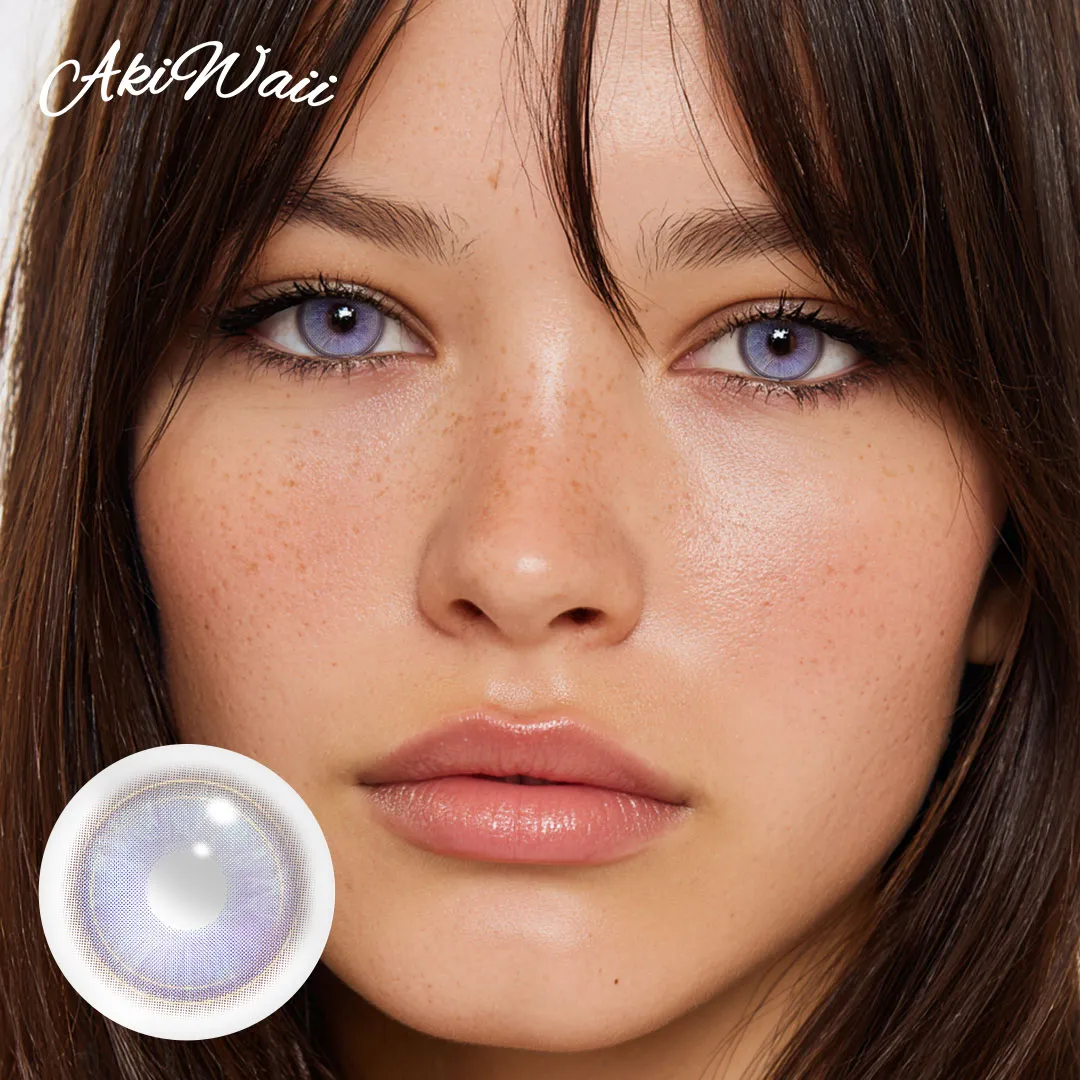
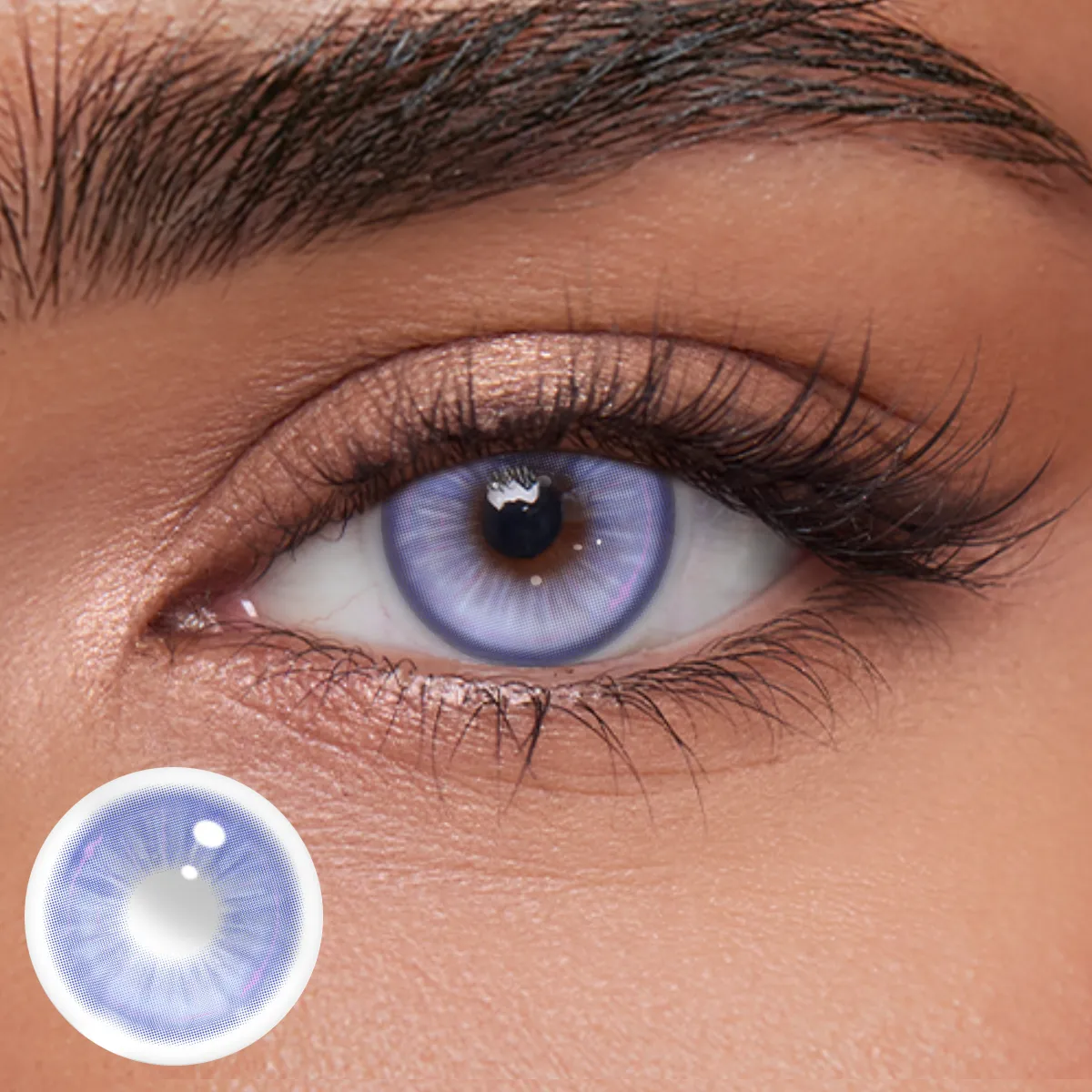
Natural purple eyes (also called violet eyes) do exist, though they're very rare . Less than 1% of people worldwide have purple eyes . These unique colors usually come from a specific condition—albinism .
Albinism affects about 1 in 20,000 people in the U.S. and reduces melanin production throughout the body, including the eyes . The iris looks blue or sometimes violet when melanin levels are very low . This happens because red reflections from blood vessels mix with a tiny bit of blue to create a light purple shade .
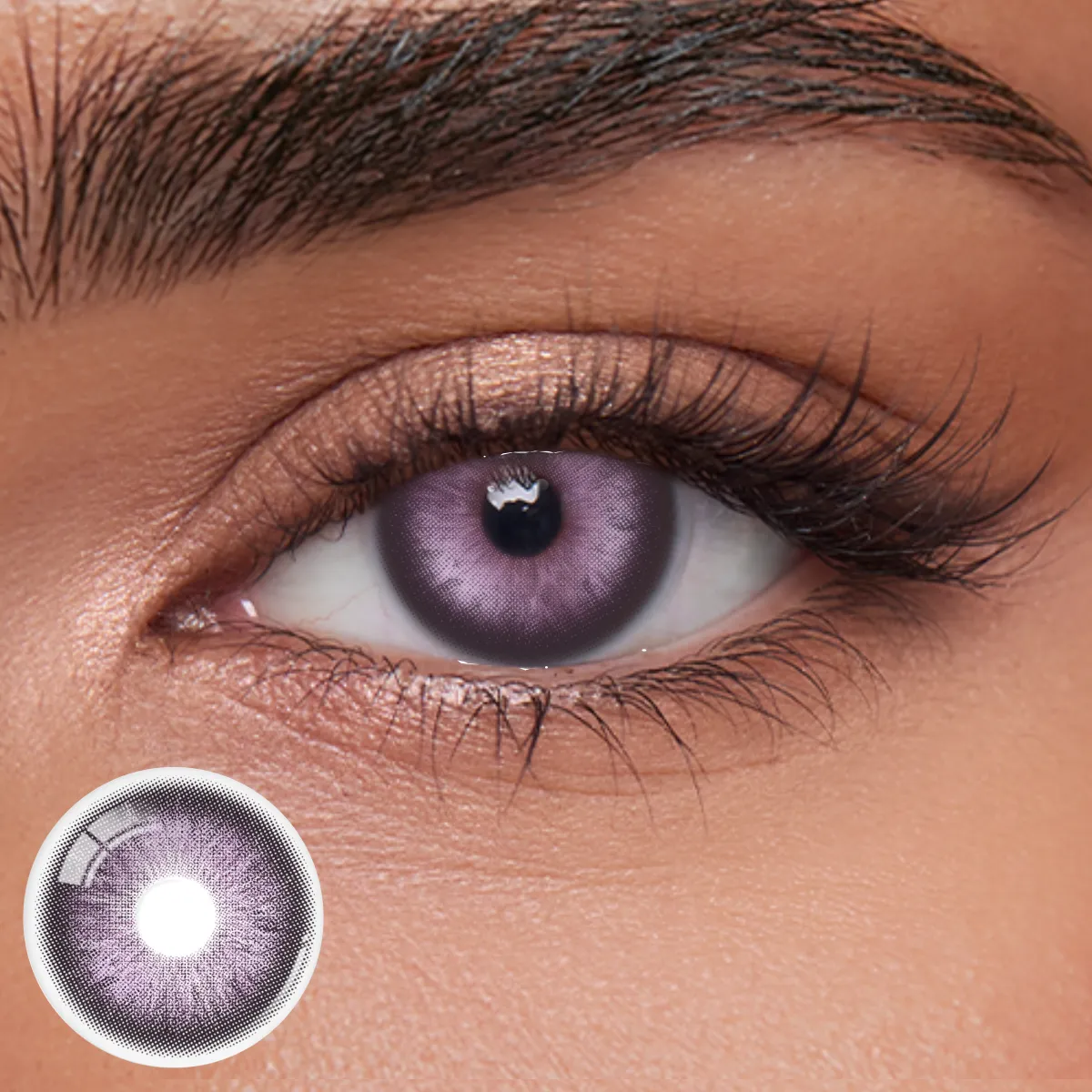
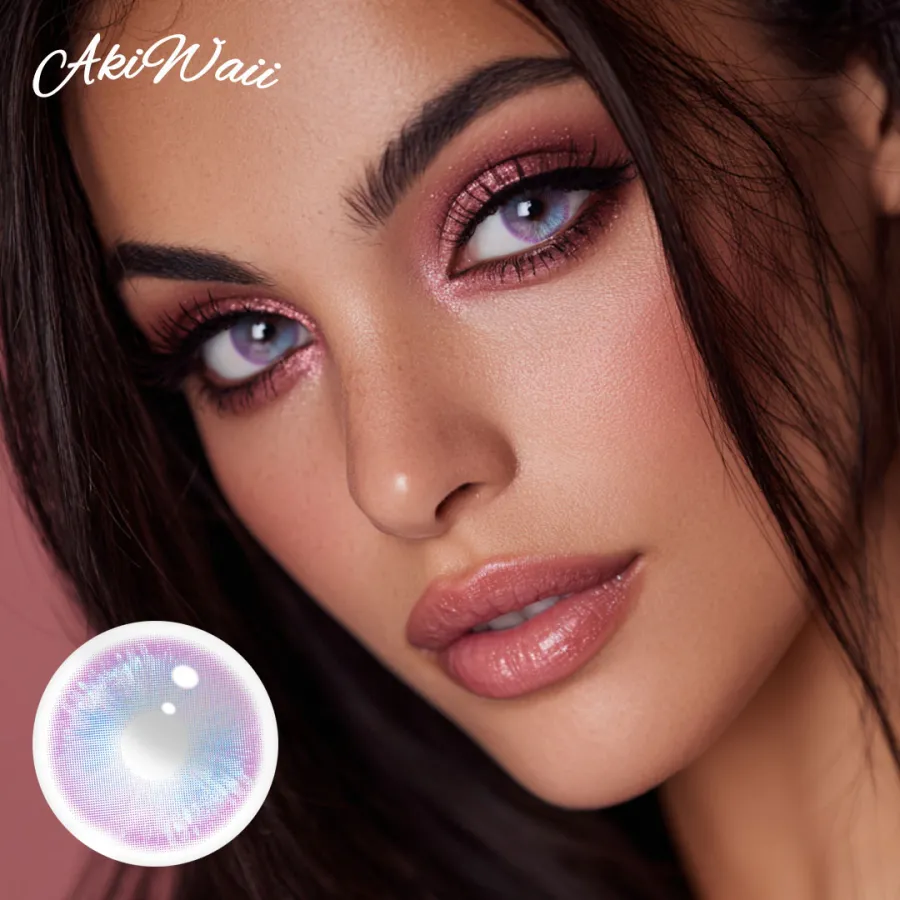
Some people might look like they have purple eyes because of lighting or camera effects that change how we see eye color .
The Science Behind Purple and Red-Violet Eyes
The iris structure reveals why purple eyes are exceptionally rare. The science behind these unusual hues combines genetic factors and optical physics.
Role of melanin and light scattering
Two distinct layers in the iris work together to create eye color. Almost everyone has brown pigment in their back layer (pigment epithelium). The front layer (stroma) determines what color others see . Eye color goes beyond pigment—it depends on how light interacts with these layers.
Brown eyes contain abundant melanin that absorbs most incoming light . Blue eyes have no pigment in the stroma. This creates the Tyndall effect, where blue light scatters better than longer wavelengths . Blue eyes aren't actually blue—they look blue because of the same effect that makes the sky appear blue.
How albinism can cause violet hues
Albinism creates perfect conditions for violet eyes and affects about 1 in 20,000 Americans . This genetic condition reduces or stops melanin production throughout the body .
Many people think those with albinism have red eyes. The truth is most have blue eyes, while some have hazel or brown eyes . All the same, their eyes might appear violet under specific conditions. This happens with tiny amounts of melanin—just enough for blue coloration—combined with light bouncing off blood vessels in the back of the eye . This mix creates a distinctive purple or violet look.
Can lighting or camera filters create purple eyes?
Light conditions substantially change how eye color looks. People who have light-colored irises often notice their eye color shifts based on surrounding light . Bright lights can make eyes with albinism look red or pink as light bounces off blood vessels .
Is it possible for someone to have purple eyes genetically?
Natural purple eyes exist, though they're very rare . Most cases stem from albinism. Fuchs uveitis syndrome offers another explanation, as eye inflammation can change eye color to blue or purple .
Purple-eyed people make up less than 1% of the world's population . This makes this eye color one of the rarest on Earth.
Famous Cases and Cultural Fascination
Purple eyes have captured people's imagination for generations. Stories and legends have made this very rare eye color fascinating. This mystique has spread through both real-life discussions and fictional stories.
Elizabeth Taylor and the myth of violet eyes
Elizabeth Taylor's striking eyes became the talk of Hollywood. People often described her eyes as violet throughout her career, making them part of her legendary beauty. The Elizabeth Taylor estate confirmed she never used colored contacts . Her eyes were actually a deep blue that looked violet when certain lights hit them and she used specific makeup techniques . Taylor loved this part of her image and named her fragrance "Elizabeth Taylor Violet Eyes" . People's endless curiosity about her violet eyes shows how much we love rare genetic features.
Purple eyes in pop culture and fiction
Books and entertainment often use purple eyes to hint at magical or supernatural elements. George R.R. Martin's A Song of Ice and Fire shows purple eyes as a mark of Valyrian ancestry. The royal Targaryen family kept this trait alive through incest . Roald Dahl also wrote about violet-eyed characters in The Witches . Many authors link purple eyes with magical powers , which adds to their mysterious appeal.
Cultural beliefs about different color eyes
Eye colors hold deep cultural meanings across the world. Many societies see rare eye colors as mysterious or supernatural . Islamic culture once saw blue eyes as a sign from heaven, yet they often make "evil eye" amulets in blue . Some cultures view green eyes as signs of jealousy, while others connect them to nature . Brown eyes symbolize drive and self-reliance . These beliefs show how eye color fascinates us as a window into character and fate.
Genetics, Inheritance, and Medical Considerations
Scientists now know that eye color inheritance works in much more complex ways than previously thought. Research has identified more than 150 genes that affect eye color . This trait, which people once thought was simple, actually follows a complex pattern with multiple genetic factors.
Genes involved in eye color variation
The OCA2 gene located on chromosome 15 controls almost three-quarters of the blue-brown color spectrum . A promoter region for OCA2 exists in the nearby HERC2 gene, which directly affects its expression . These two genes work together, and changes in either one affect melanin production by a lot. Scientists have discovered that genes like ASIP, IRF4, SLC24A4, SLC24A5, SLC45A2, TPCN2, TYR, and TYRP1 also help determine eye color .
Conditions that may cause eye color changes
These medical conditions can change how eyes look:
- Ocular albinism: People with this condition have very light-colored eyes due to severely reduced iris pigmentation
- Heterochromia: This shows up as different-colored eyes in the same person, sometimes due to genetic changes or injury
- Eye injuries: The iris tissue can change color after blunt trauma or chemical burns
- Fuchs Heterochromic Iridocyclitis: This inflammation leads to pigmentation loss that can turn eyes blue or purple
- Medication effects: Some glaucoma treatments with prostaglandin analogs can slowly make eye color darker
When to see a doctor about eye color changes
You should visit an eye care professional right away if one eye suddenly changes color or develops new spots, rings, or persistent redness . Eye color changes that come with pain, blurred vision, or unequal pupils need immediate medical attention because they might point to injury, inflammation, or glaucoma . Babies' eyes naturally change color in their first six months, but adult eye color typically stays the same .
Conclusion
Our exploration of purple eyes shows this eye color exists naturally, though it's nowhere near common. Only 1% of people worldwide have this fascinating trait. The science behind eye color is not just about inheritance patterns - it involves a complex interaction between melanin production, genetic factors, and light physics.
Most real cases of purple eyes come from specific forms of albinism. The minimal melanin works with light reflecting off blood vessels to create a violet appearance. Many people say they have purple eyes, but a closer look often shows these are blue eyes that look violet in certain light or with makeup.
Elizabeth Taylor's famous "violet eyes" without doubt made us more interested in this eye color. Her eyes were likely deep blue but looked different in photos under certain conditions. Books, movies, and other media have added to the mystery by linking purple eyes to magic powers or special ancestry.
Eye color isn't always permanent. Medical conditions can change how the iris looks. Any unexpected changes in eye color need a doctor's attention, especially with pain or vision issues.
Purple eyes are one of nature's most unique genetic expressions. They remind us of the amazing variety in human looks. These rare eyes show how biological differences and cultural meaning work together. This makes us curious about what makes each person unique.


