Blue eyes have a striking quality, which is why Blue Colored Contact Lenses remain a popular choice for changing or enhancing your natural eye color. But choosing a pair based only on how blue they look in a product photo can lead to disappointing results.
The right lenses should complement your natural eye color, facial features, overall style, and most importantly, feel comfortable when worn correctly. A shade that looks beautiful on someone else may appear completely different on you.
So, how can you tell when you've made the wrong choice?
From an unnatural-looking shade to uncomfortable wear, here are eight signs that your Blue Colored Contact Lenses may not be the right match for you and what to consider before choosing your next pair.
Find Your Blue Match in 30 Seconds
Choose the effect you want, then compare the real product page before you buy.
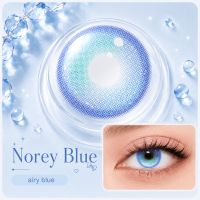
Vivid + Realistic: Norey Blue
For a clear blue effect that still lets iris detail show through.
See This Shade →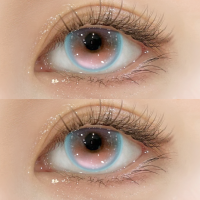
Sweet + Ethereal: Norey Blue-Pink
For a dreamy mix of blue and pink with a softer fantasy finish.
See This Shade →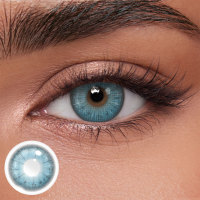
Playful Statement: Peacock Blue
For a more expressive blue look when subtle is not the goal.
See This Shade →Visual results vary with your natural eye color and lighting.
1. The Blue Shade Looks Too Artificial on Your Eyes
Blue Colored Contact Lenses should ideally work with your natural coloring rather than looking completely disconnected from it.
One of the most common signs of a poor match is a shade that looks overly bright, flat, or artificial once the lenses are actually on your eyes. This can happen when the color is dramatically different from your natural eye color without enough blending around the iris.
For example, an intense electric blue may look appealing in a product image but appear much stronger on naturally dark brown eyes. Likewise, an extremely pale blue can sometimes look less natural than a deeper blue-gray or aqua shade.
This does not mean you need to choose natural-looking lenses every time. If you're going for a cosplay, fashion, or dramatic appearance, an obviously noticeable color can be exactly what you want.
The key is choosing the effect intentionally.
How to improve the color match
Consider:
- Your natural eye color
- Your skin undertone
- Your hair color
- The opacity of the lens
- The pattern and blending around the iris
- Whether you want a subtle or dramatic transformation
A well-chosen blue shade should create the effect you're looking for rather than simply being the brightest blue available.
2. Your Natural Eye Color Is Showing Through in the Wrong Way
Not all colored lenses provide the same level of coverage.
Blue Colored Contact Lenses designed with a more translucent or lightly tinted appearance may work beautifully on light-colored eyes but produce a very different result on darker eyes.
If your natural eye color is showing through unevenly, the finished color may look muddy, patchy, or completely different from what you expected.
For darker eyes, opaque lenses generally provide more visible color transformation. However, opacity alone isn't everything. The printed pattern also affects how naturally or dramatically the color blends.
Look beyond the advertised color
Instead of asking only, "What color are these lenses?" consider asking:
"How will this color interact with my natural eye color?"
That's often the more important question.
A blue lens with gray undertones may create a softer effect over light eyes, while a more opaque blue with a defined limbal pattern may be better suited to someone looking for a dramatic transformation.
3. The Lens Color Doesn't Suit Your Skin Undertone
Your eye color doesn't exist in isolation. Skin tone and undertone can influence how a particular blue appears.
Some blue shades have cool gray undertones, while others lean toward turquoise, aqua, navy, or even violet. These subtle differences can change the overall appearance of your face.
If your chosen Blue Colored Contact Lenses make your complexion appear unusually dull, washed out, or overly contrasted, the undertone may not be working in your favor.
Warm vs cool blue shades
People with warmer undertones may prefer blue shades containing hints of teal or a slightly softer blue, while cooler undertones can pair naturally with icy, gray-blue, or deeper blue shades.
There is no universal rule, though. Personal style matters more than rigid color charts.
If you want a bold fashion look, contrast can be intentional. The goal is simply to understand the effect you're creating.
4. The Lens Pattern Makes Your Eyes Look Unnaturally Flat
Color isn't the only thing that determines whether colored contacts look convincing.
The design printed on the lens can make a huge difference.
Some Blue Colored Contact Lenses feature multiple tones, detailed iris patterns, limbal rings, and subtle transitions between colors. Others have a much simpler block-color design.
A lens with one solid blue area can sometimes make the eyes look flat because real irises naturally contain variations in color and texture.
On the other hand, highly detailed lenses can create a dramatic appearance that works particularly well for cosplay or editorial styling.
Pay attention to the iris design
Before choosing lenses, look at:
- The center transition around the pupil
- The amount of visible iris detail
- Whether the outer ring is defined
- How many colors are incorporated
- Whether the pattern suits the look you want
The best design depends on the purpose. Natural-looking lenses and costume lenses have very different visual goals.
5. Your Eyes Feel Dry, Irritated, or Uncomfortable
Appearance is important, but comfort should never be treated as secondary.
If your eyes repeatedly feel dry, gritty, irritated, painful, or unusually tired while wearing colored contacts, that is a sign to stop and reassess the lenses and your wearing routine.
Blue Colored Contact Lenses, like other contact lenses, need to be properly fitted and used according to appropriate eye-care guidance. Decorative or cosmetic lenses are still worn directly on the eye, so poor fit, improper hygiene, extended wear, or unsuitable lenses can create problems.
Do not assume discomfort is something you simply need to "get used to."
When discomfort means you should stop wearing them
Remove the lenses and seek professional eye-care advice if you experience persistent:
- Eye pain
- Significant redness
- Blurred vision
- Light sensitivity
- Excessive watering
- Unusual discharge
- Severe or worsening irritation
Comfort isn't a feature to compromise for a particular eye color.
6. The Lenses Look Great in Photos but Not in Real Life
This is one of the most frustrating experiences when shopping for colored contacts.
You see a product photo where the blue looks vibrant and perfectly blended. You put the lenses on, and the result looks completely different.
Lighting, camera settings, editing, eye color, and even screen displays can change how a lens appears.
Blue Colored Contact Lenses can look lighter in bright studio lighting and significantly deeper under indoor lighting. A model's natural eye color can also influence the final result.
Don't judge lenses from one photograph
When researching a pair, look for different types of images when available:
- Close-up eye photographs
- Different lighting conditions
- Customer photos
- Images showing the lens on different natural eye colors
- Photos without heavy filters
The more realistic references you have, the easier it becomes to form a reasonable expectation.
7. The Lens Doesn't Match the Look You're Actually Trying to Create
Sometimes the lens isn't "bad." It's simply wrong for the occasion.
A subtle blue-gray lens might be perfect for everyday styling but fail to create the dramatic transformation you're looking for in a cosplay outfit.
Conversely, an extremely opaque cobalt or neon-blue lens may overwhelm an otherwise understated makeup look.
Before choosing Blue Colored Contact Lenses, decide what you actually want them to accomplish.
Are you looking for:
- A subtle enhancement?
- A natural-looking eye-color change?
- A noticeable fashion statement?
- A cosplay transformation?
- A fantasy-inspired appearance?
- A striking photo-shoot look?
Once the goal is clear, choosing the color and design becomes much easier.
8. You're Ignoring the Fit and Basic Contact Lens Safety
The biggest mistake is focusing entirely on appearance while ignoring whether the lenses are appropriate for your eyes.
Blue Colored Contact Lenses should never be selected solely because they look attractive. Contact lenses need to fit properly, and decorative lenses should be treated with the same care and hygiene as other contact lenses.
A poor fit can cause discomfort and may increase the risk of eye problems.
Before wearing cosmetic contacts, it's important to follow guidance from a qualified eye-care professional and use lenses from a legitimate source. Follow the recommended replacement schedule, wash and dry your hands before handling lenses, and never share contact lenses with another person.
Never sleep in lenses unless they have specifically been prescribed for overnight wear.
And if something doesn't feel right, remove the lenses rather than trying to push through the discomfort.
How to Choose Blue Colored Contact Lenses That Suit You
Choosing Blue Colored Contact Lenses becomes much easier when you consider the entire look rather than focusing on the color name alone.
Start with your natural eye color
Light eyes and dark eyes can produce very different results with the same lens. Check whether the lenses are designed to enhance or completely cover your natural color.
Decide how dramatic you want the transformation to be
For an everyday appearance, softer blue, blue-gray, or blended designs may be more suitable.
For cosplay, costumes, or creative photography, highly opaque and strongly defined blue designs can create a much more dramatic effect.
Consider the lens pattern
A multi-tone iris pattern generally produces more visual depth than a flat block of color.
Think about your overall styling
Consider your makeup, hair color, clothing, and the occasion. The most attractive eye color is often the one that works cohesively with everything else.
Prioritize proper fit and eye health
Color should never be the deciding factor when a lens causes discomfort. Proper fitting, hygiene, storage, and replacement are essential parts of responsible contact lens use.
What Is the Difference Between Natural-Looking and Dramatic Blue Contacts?
Natural-looking Blue Colored Contact Lenses usually rely on blended tones and subtle iris patterns. They are designed to make the eye color appear believable or gently enhanced.
Dramatic lenses tend to use stronger pigmentation, sharper patterns, larger limbal rings, or unusual shades. They're often chosen specifically because they are noticeable.
Neither style is automatically better.
The right choice depends on the appearance you're trying to achieve.
Wrapping Up: Finding the Right Blue Colored Contact Lenses
The wrong Blue Colored Contact Lenses aren't always obvious when you're looking at them in their packaging or on a product page. The real test is how the color, pattern, coverage, comfort, and overall style work together once you're wearing them.
If the color looks unnatural, your natural eye color interferes with the result, the pattern looks flat, or the lenses cause persistent discomfort, it may be time to reconsider your choice.
Take your time when comparing shades and designs. Look beyond the name of the color, consider how the lenses will interact with your natural eyes, and never overlook proper fit and eye-care guidance.
The goal isn't simply to find blue contacts. It's to find a pair that creates the look you want while being used safely and responsibly.
Frequently Asked Questions
1. Can I wear blue colored contact lenses every day?
Some colored contact lenses may be designed for regular wear, but you should always follow the specific wearing schedule and care instructions provided for your lenses. Proper fit and eye health are also important.
2. Are blue colored contact lenses safe to wear?
Colored contact lenses can be worn safely when they are properly fitted, used according to instructions, and cared for correctly. Wearing lenses that do not fit properly or using them incorrectly can increase the risk of eye problems.
3. How long can you wear blue colored contact lenses?
The recommended wearing time varies by lens type and individual circumstances. Do not exceed the manufacturer's stated wearing period, and remove the lenses if your eyes become uncomfortable, red, painful, or unusually sensitive.
4. How often should blue colored contact lenses be replaced?
Replacement depends on whether the lenses are daily, monthly, or another type. Follow the replacement schedule provided for your particular lenses rather than continuing to wear them beyond their recommended lifespan.
5. Do you need a prescription for blue colored contact lenses?
Requirements vary by location, but colored contact lenses are medical devices in many countries, even when they do not correct vision. A proper eye examination and fitting can help ensure that lenses are suitable and fit correctly.
Ready to Build Your Blue Lens Wardrobe?
Pick the blue you will actually wear—then add four more shades for different moods.
ANY 5 FOR $55
Free Shipping Over $55
Eligible full-price styles only. Always follow the product's wear and care instructions.
-.png?w=2000&h=1500)