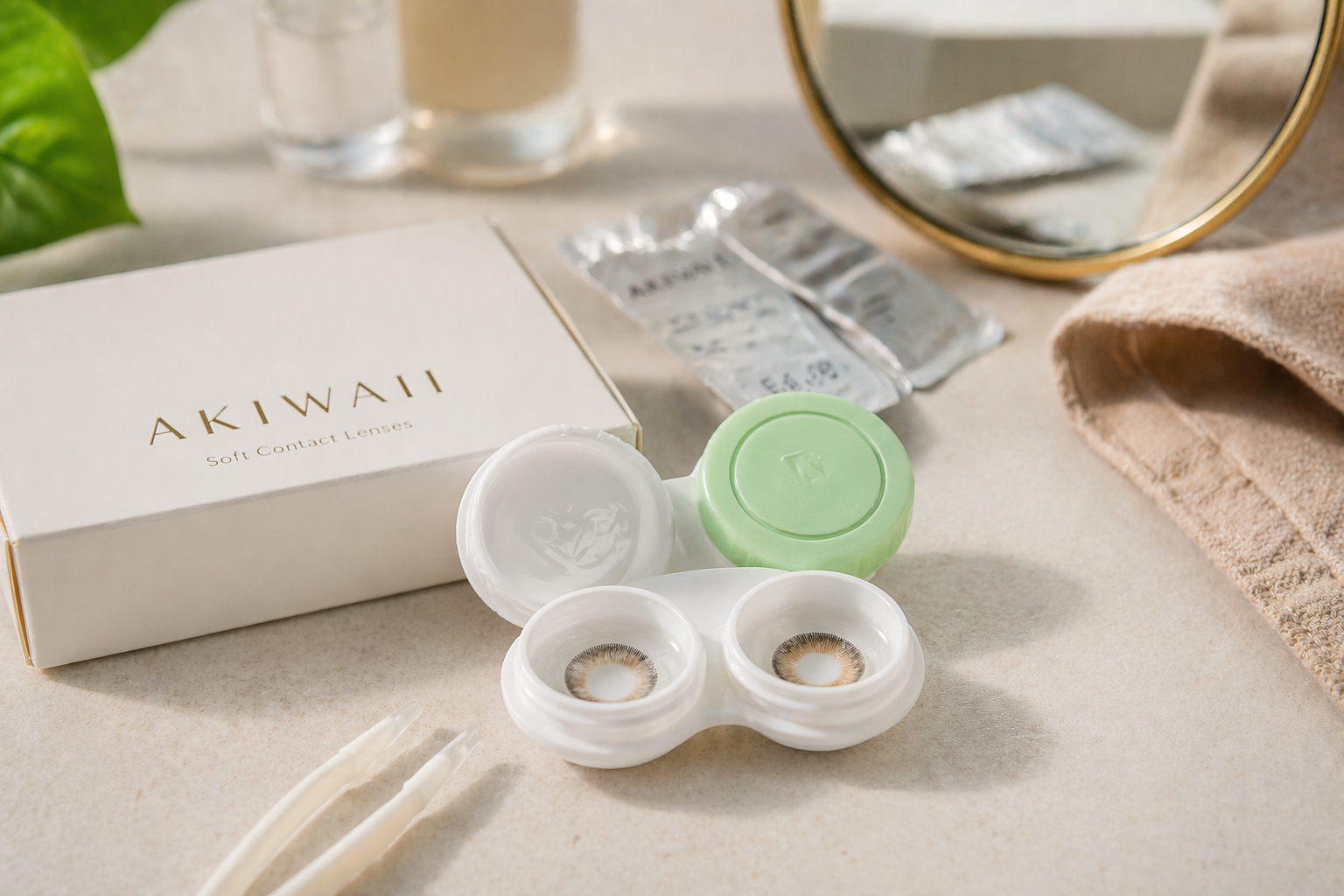
Why a Clean Contact Lens Case Matters More Than You Think
Many contact lens wearers focus on cleaning their lenses but overlook one critical item: the Contact Lens Case. Even when it appears clean, a lens case can accumulate bacteria, fungi, protein deposits, and debris over time.
A contaminated case can transfer harmful microorganisms directly to your lenses and eyes. This increases the risk of irritation, discomfort, and even serious eye infections.
In this guide, you'll learn:
- How to properly clean and maintain a contact lens case every day.
- Common mistakes that increase the risk of contamination and eye irritation.
Maintaining proper lens case hygiene is one of the simplest ways to support long-term eye health and improve your overall contact lens care routine.
What Happens When a Contact Lens Case Is Not Cleaned Properly?
A contact lens storage case creates a moist environment that can become a breeding ground for microorganisms. Over time, bacteria, fungi, and microscopic debris can build up inside the compartments.
When lenses are stored in a contaminated case, these microorganisms may attach to the lens surface and come into direct contact with the eye. This can lead to redness, irritation, inflammation, and, in severe cases, eye infections that require medical attention.
Common risks associated with poor contact lens case cleaning include:
- Eye irritation and discomfort
- Increased lens deposits
- Blurred vision
- Corneal infections
- Reduced lens lifespan
There are also warning signs that indicate your lens case should be replaced immediately:
- Visible cracks or damage
- Persistent residue inside the compartments
- Discoloration
- Unpleasant odor
- Difficulty closing the lid securely
Even if your case looks clean, invisible contaminants can still be present. Consistent cleaning is essential to reduce these risks.
Step-by-Step Guide to Cleaning a Contact Lens Case
Proper cleaning only takes a few minutes and can significantly improve eye safety.
1. Wash and Dry Your Hands
Before handling your lenses or case, wash your hands thoroughly with soap and water. Dry them with a clean, lint-free towel.
Clean hands help prevent transferring bacteria to your lenses and storage case.
2. Empty Old Solution
Never leave a used solution sitting in the case.
After inserting your lenses, completely discard any remaining disinfecting solution. The old solution loses effectiveness and may contain microorganisms.
3. Rinse the Case Correctly
Rinse the empty case using fresh contact lens disinfecting solution recommended by your eye care professional.
Avoid using water or homemade cleaning solutions.
Gently rub the inside of the case with clean fingers to remove deposits and buildup.
4. Air Dry the Case
After rinsing, place the case upside down on a clean tissue or lint-free surface.
Leave the caps off to allow complete air drying.
Proper drying is an essential part of Contact Lens Case maintenance because moisture encourages bacterial growth.
5. Store It Properly
Store the dry case in a clean, well-ventilated location.
Avoid humid environments whenever possible, as excess moisture can promote contamination.
Common Contact Lens Case Cleaning Mistakes to Avoid
Many people unknowingly follow habits that increase contamination risks.
Reusing or Topping Off Old Solution
One of the most common mistakes is adding fresh solution to the old solution instead of replacing it completely.
This practice reduces the disinfecting power of the solution and allows microorganisms to survive.
Always use a fresh solution each time you store your lenses.
Using Tap Water to Rinse a Contact Lens Storage Case
Tap water may seem harmless, but it can contain microorganisms that are unsafe for contact lens use.
Water exposure can introduce harmful organisms into your lens case and increase infection risks.
Only use an approved contact lens disinfecting solution when cleaning your case.
Closing the Case Before It Has Completely Dried
Many users close the lids immediately after rinsing.
Trapped moisture creates ideal conditions for microbial growth. Allowing the case to air dry fully is an important step in maintaining proper lens case hygiene.
How Often Should You Replace Your Contact Lens Case?
Cleaning is important, but replacement is equally essential.
Most eye care professionals recommend replacing your lens case every one to three months. Many manufacturers suggest changing it whenever you start a new bottle of contact lens solution.
Several factors may require more frequent replacement:
- Heavy daily lens wear
- Frequent travel
- Exposure to dusty environments
- Visible wear and tear
- Repeated eye irritation
Regular replacement supports better hygiene practices and reduces the buildup of microorganisms that can accumulate over time.
This recommendation applies to all lens users, including those researching topics such as colored contact safety, where proper storage and cleaning practices remain equally important.
Replacing your case on schedule reinforces healthier contact lens care habits and helps maintain a safer lens-wearing experience.
Tips for Maintaining Better Contact Lens Case Hygiene Every Day
Building simple habits can make a significant difference in eye health and contact lenses.
Create a Daily Cleaning Routine
Each day:
- Empty old solution
- Rinse the case with fresh solution
- Air dry completely
- Store in a clean area
Consistency is the key to effective contact lens case cleaning.
Follow a Weekly Hygiene Check
Once a week:
- Inspect the case for residue
- Check for cracks or damage
- Verify the replacement date
- Ensure lids close securely
Store Your Case in a Clean, Dry Environment
Avoid storing your case near sinks, showers, or other areas with excessive moisture.
A dry environment helps minimize bacterial growth and supports better hygiene.
Pair Case Care With Healthy Lens Habits
Good hygiene goes beyond the case itself.
Remember to:
- Follow recommended lens replacement schedules
- Wash your hands before handling lenses
- Avoid sleeping in lenses unless approved by your eye care professional
- Attend regular eye examinations
Combining these habits with proper Contact Lens Case care can help maintain comfortable and safe lens wear over the long term.
Conclusion
Regular cleaning and timely replacement of your contact lens case are essential for maintaining safe and comfortable lens wear. At Akiwaii, we believe that small hygiene habits today can help protect your eye health for years to come.
FAQs
How often should I clean my contact lens case?
You should clean your contact lens case every day after removing your lenses. Empty old solution, rinse with fresh disinfecting solution, and allow the case to air dry completely.
Can I wash my contact lens case with tap water?
No, tap water may contain microorganisms that can contaminate your lens case and increase the risk of eye infections. Always use fresh contact lens solution.
When should I replace my contact lens case?
Most eye care professionals recommend replacing your case every one to three months or whenever you open a new bottle of contact lens solution.
What is the best way to dry a contact lens case?
After rinsing with fresh solution, place the case upside down on a clean surface with the caps removed and allow it to air dry completely.
Can a dirty contact lens case cause eye infections?
Yes, a contaminated lens case can harbor bacteria, fungi, and other microorganisms that may lead to irritation, inflammation, or serious eye infections.

-.png?w=2000&h=1500)