.jpg?w=1080&h=1437)
A recent Texas survey of 400 teens revealed that one in seven have used cosmetic contact lenses . The safety concern is real - bacteria lurk in about 60% of colored contacts bought online without prescriptions .
Proper colored contact lens wear protects your vision while enhancing your appearance. These lenses can change your look for daily wear, special events, or cosplay . However, using them incorrectly risks serious complications like corneal abrasions and potential blindness .
You might wonder about colored contacts' safety or their first-time application. This detailed guide covers everything from preparation to application techniques and proper care methods. You'll learn to avoid common mistakes that could harm your eyes. A structured approach will help you wear colored contacts safely while achieving your desired eye-catching look.
Get Ready to Wear Colored Contacts
Getting ready to wear colored contacts safely starts with proper preparation. Studies show that half of all contact lens wearers don't keep their hands clean enough . This puts them at risk of eye infections. Here's how to get ready before putting those beautiful colored lenses in your eyes.
Wash and dry your hands properly
You can't skip this crucial step. Start by washing your hands really well with mild, unscented soap and warm water for at least 20 seconds . Stay away from soaps that have oils or fragrances - they can stick to your lenses . Then dry your hands completely with a clean, lint-free towel . This simple habit keeps bacteria, viruses, and debris away from your lenses and eyes .
Note that dirty hands can lead to contaminated lenses that end up causing eye inflammation and infection .
Inspect the lenses for damage or debris
Clean hands are just the start. Now it's time to check each lens carefully. The lens might stick to the storage case, so give it a gentle shake . Handle the lens with your fingertips, not your nails . Look for any tears or damage - a ripped lens can scratch your cornea, so never wear one . The lens should also be right-side-out. You'll know it's correct when it forms a bowl with edges that turn up .
Use eye drops if your eyes feel dry
People who wear contact lenses are four times more likely to get dry eyes . Rewetting drops made for contact lenses can help when this happens. These drops create a protective liquid cushion for your eyes . Your eyes might feel better if you use these drops before putting in your lenses, especially if they tend to be dry .
Choose a clean, well-lit space
Your surroundings matter by a lot when handling contact lenses. Pick a bright area that's free from dust and other contaminants. A clean space helps keep debris off your lenses. The good lighting helps you spot any problems you might miss otherwise.
These preparation steps are the foundations of a comfortable, safe experience with colored contacts. Now you're ready to learn how to put in your colored contacts.
How to Put in Colored Contacts for the First Time
Let's get those colored contacts in your eyes! The first time might feel scary, but you'll get the hang of it quickly. Here are some simple steps that will help you become skilled at wearing colored contacts with confidence.
Place the lens on your fingertip correctly
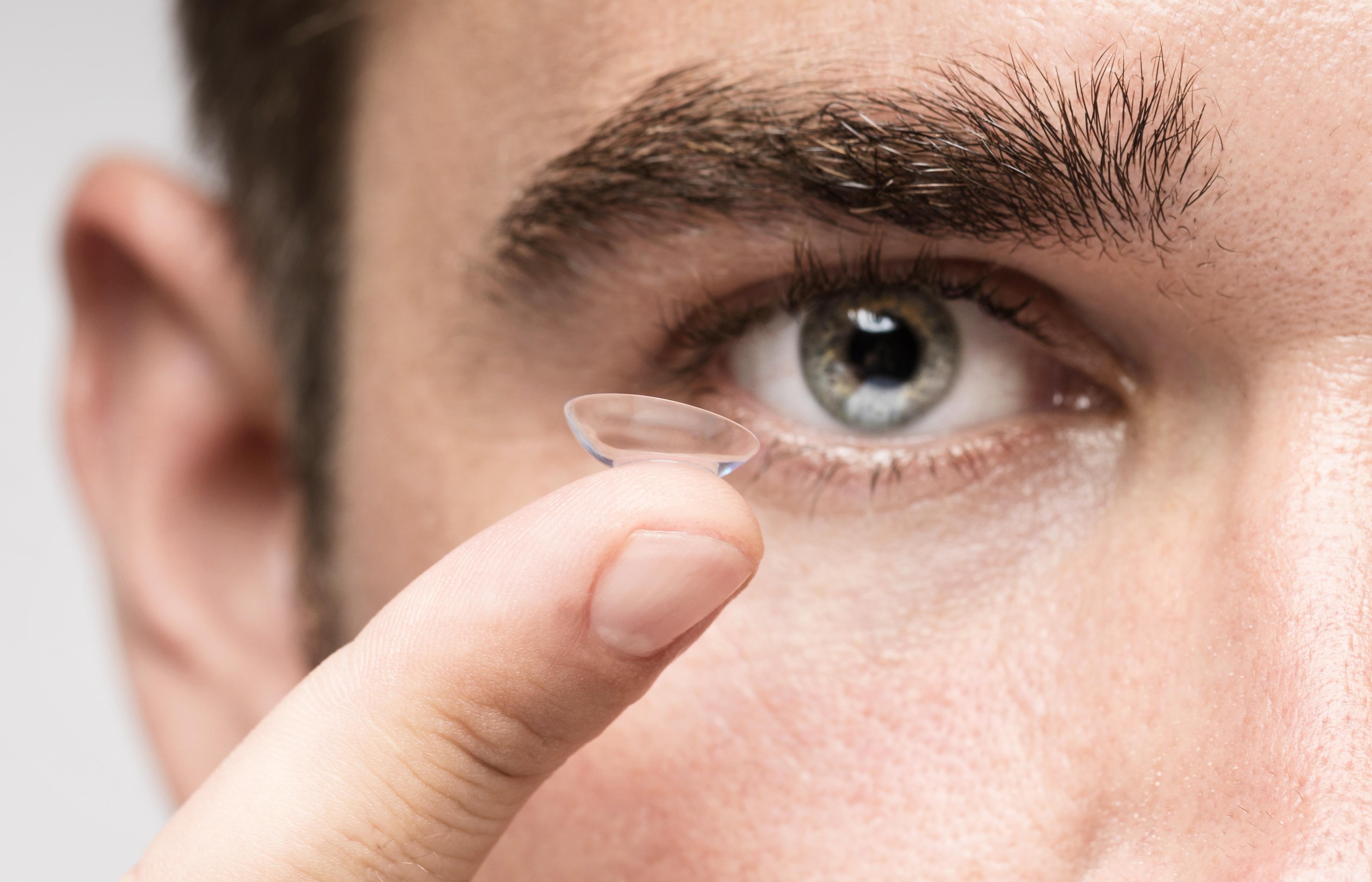
Put the colored contact lens right on the tip of your index finger. Make sure the colored part faces down and sits in the middle of your fingertip. You need to check if it's right-side-out by looking at the edges. A properly positioned lens curves up like a bowl. If you see the edges flaring out, just flip it over. The right position will make the lens fit well on your eye and keep you comfortable.
Hold your eyelids open with both hands
New users often struggle to keep their eyes open during this part. Your non-dominant hand should hold your upper eyelid while the middle finger of your dominant hand pulls down the lower lid. This creates enough room to put the lens in. Steady hands will help you avoid blinking when you place the lens.
Look up or straight ahead while inserting
You can try two good ways to place the lens. Either look straight ahead and place it right on your iris, or look up and put it on the white part of your eye. Most beginners like looking up because it helps prevent flinching. Try both ways to find what feels right for you.
Blink slowly to center the lens
Let your eyelids go gently and close your eyes for a second after placing the lens. This helps it settle into place. A few blinks will get the lens centered properly. Your eye's natural moisture helps the lens stick correctly. The lens might need adjusting if it feels uncomfortable - try looking around in different directions to move it into place.
Repeat the process for the other eye
Now do the same thing with your second eye once the first lens feels good. Some people stick to the same hand positions, while others switch hands. Most people start with their right eye and use their left hand to hold the eyelids, but you should do what feels natural to you.
How to Take Care of Colored Contacts
You need to follow proper care routines to keep your eyes healthy while wearing colored contacts. Here are significant practices to maintain your lenses and protect your vision.
Clean lenses with multipurpose solution
Take out your lenses and place them in your palm with a few drops of multipurpose solution. Give them a gentle rub for about 20 seconds. This removes proteins, oils, and debris that build up during wear. The mechanical rubbing helps break down deposits that stick to lenses . Give them a really good rinse with fresh solution afterward.
Store in a clean case with fresh solution
Your lenses need a clean case filled with new solution. Never add new solution to old or reuse solution because this leads to contamination . Get a new contact lens case every three months to stop bacterial growth . Your lenses won't stay disinfected if the case doesn't seal properly .
Never use water or saliva on lenses
Microorganisms in tap water can cause serious eye problems. Acanthamoeba is particularly dangerous and may cause blindness . Even filtered or bottled water isn't safe. Bacteria in saliva can cause infections too. Contact solutions are the only safe option for your lenses.
Replace lenses as per schedule
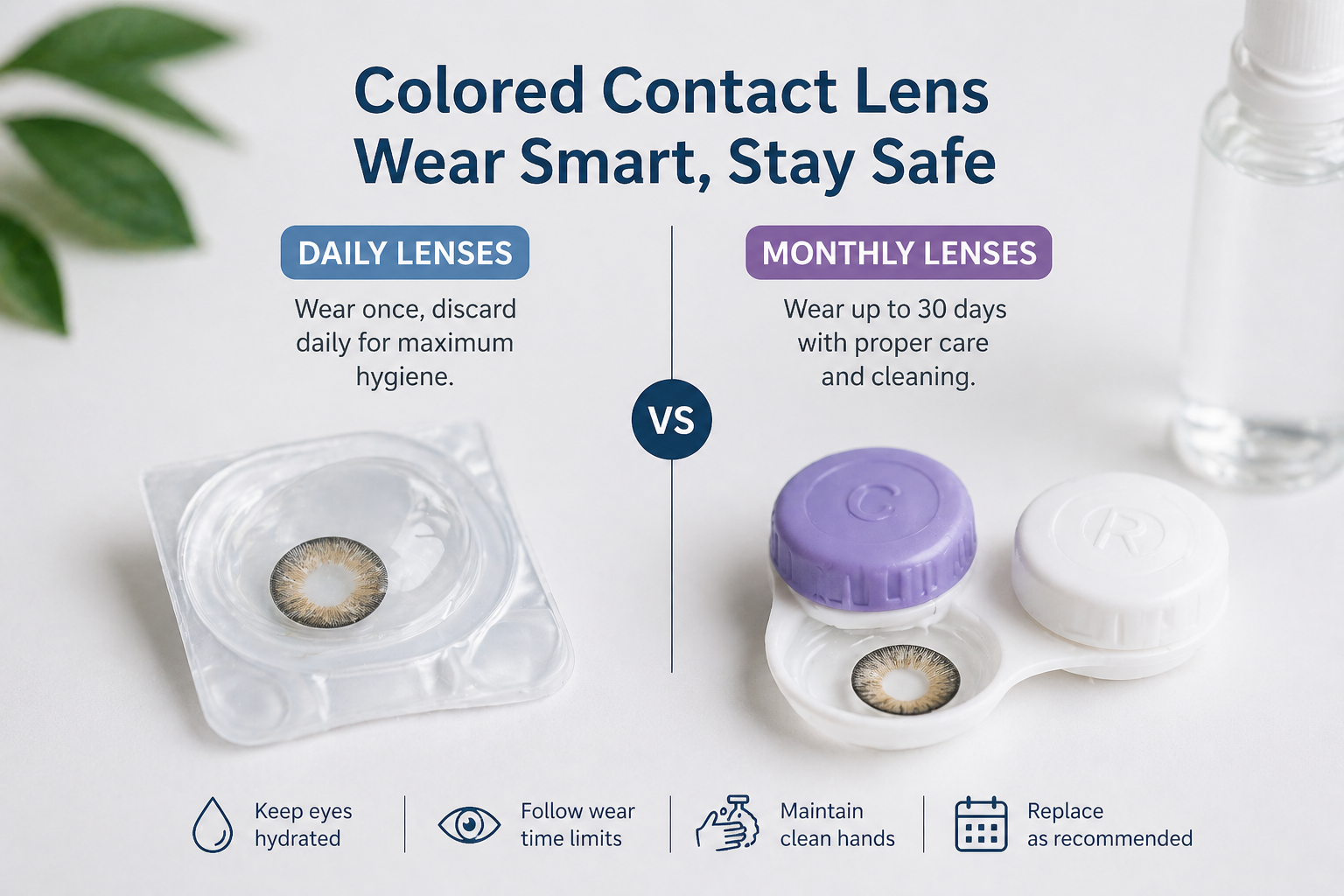
Stick to the replacement schedule for your specific lenses (daily, monthly, etc.) . Proteins and oils get trapped in the porous material over time . Throw away your lenses by their expiration date, even if you rarely wear them.
Avoid sleeping or swimming with lenses
Take out your lenses before bed unless they're specifically made for overnight wear . Sleeping with contacts makes infection risk six times higher . The same goes for swimming or showering - remove your lenses first since water exposure can damage them and lead to infections .
Common Mistakes and How to Avoid Them
Your vision could face serious risks if you ignore safety precautions with colored contacts. Let's get into common mistakes that could harm your eyes.
Wearing expired or damaged lenses
Expired lenses can substantially increase your risk of bacterial infections. These infections can spread faster than you'd think - they might cause corneal ulcers and blindness in just 24 hours without treatment . Deposits build up even in unopened expired lenses . You should replace your lenses based on your schedule, whatever your wearing frequency. Any torn or damaged lenses need immediate disposal.
Buying lenses without a prescription
The FDA considers all contact lenses medical devices that need prescriptions - this includes non-corrective colored ones . All the same, some illegal vendors sell these lenses without prescriptions. These unregulated products often contain harmful chemicals like chlorine and might come from non-sterile manufacturing environments . People who wear non-prescription colored contacts are 16 times more likely to develop keratitis compared to those using prescribed regular contacts .
Sharing lenses with others
You should never share your colored contacts with friends, even if they love your look. Each lens fits precisely to your eye's unique measurements . Shared contacts can drastically raise your risk of bacterial infections .
Ignoring signs of discomfort or redness
Take your lenses out right away if you notice:
- Pain, redness, or irritation
- Blurred vision or light sensitivity
- Discharge or excessive tearing
These symptoms might point to corneal abrasions or infections that need immediate medical attention .
Conclusion
Colored contacts are a great way to change your look, but safety should be your top priority during the whole ordeal. Proper hygiene is vital for contact lens safety. You need clean hands and careful lens inspection before use. Note that bacteria exist on about 60% of non-prescription lenses, making these safety steps essential for your eye health.
Getting the right application technique might seem tricky at first, but practice helps. Most users develop their own style after a few tries. Some look straight ahead while others prefer looking up during insertion. The most important thing is finding what works best for you.
Good care routines can really lower your risk of infection. You'll need fresh solution, regular case changes, and strict wearing schedules to protect your vision. Water and saliva might look like easy substitutes for proper solution, but they pose serious risks to your eye health.
Your colored contacts should always come with a valid prescription. This rule exists to protect your eyes. People who wear non-prescription lenses are 16 times more likely to develop keratitis compared to those following proper guidelines.
Listen to what your body tells you. Any discomfort, redness, or vision changes could signal problems that need immediate attention. Your vision is nowhere near worth risking for looks alone. Colored contacts can boost your appearance, but they're medical devices first and fashion accessories second. These guidelines will help you enjoy their beauty benefits while keeping your eyes safe and healthy.