Makeup science goes way beyond just looking good and being artistic. Research shows that faces with makeup are seen as more attractive. They even light up the brain's reward centers . This isn't just about looking pretty - our brains have specific ways of processing visual signals and forming first impressions.
The psychology behind our makeup choices reveals interesting things about how humans see each other. This becomes clear when we look at eye makeup choices. Studies tell us that smart makeup application can help balance facial features like uneven eyebrows or slightly off-center features . Both men and women rate faces with makeup as more attractive than bare faces .
Let me tell you what your eye makeup really says about you. Your makeup changes how much your features stand out and shapes what others think of you. It can boost your confidence too. Research shows that more contrast around your eyes makes you look more attractive . This knowledge can help you make better everyday makeup choices.
The visual science behind eye makeup
Eye makeup uses sophisticated visual mechanisms that change how people see your face. Scientists have discovered some amazing facts about these transformations.
How eye makeup changes facial contrast
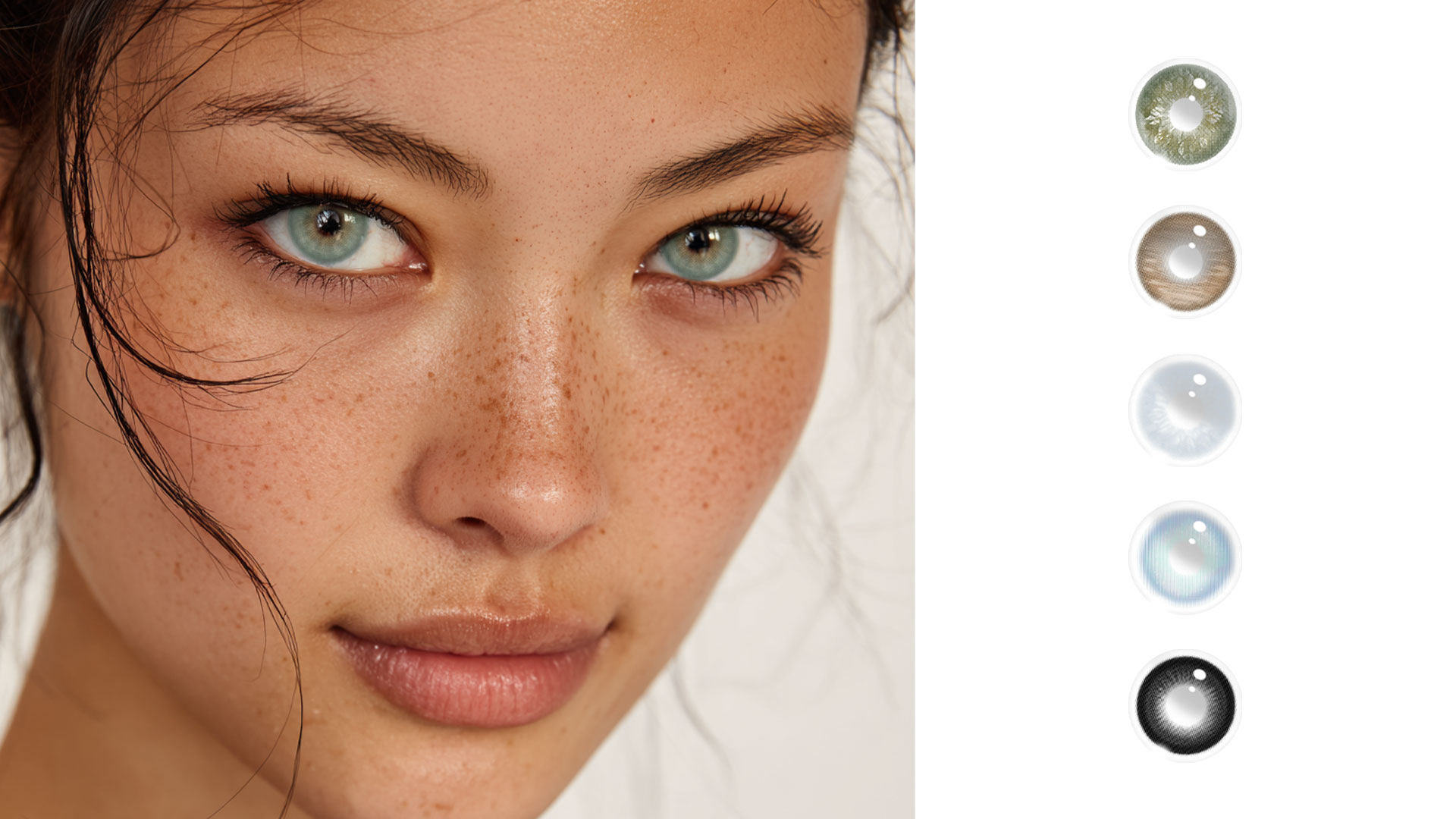
Facial contrast—the luminance difference between facial features and surrounding skin—are the foundations of makeup's visual effect. Women who apply cosmetics naturally emphasize the sex difference in facial contrast by darkening features against surrounding skin . Research shows eye feature contrasts increase substantially with cosmetics, demonstrating a large effect size (d = 1.46) .
Mascara and eyeliner frame the eyes and boost their natural boundaries. Research proves that eyeliner combined with mascara makes eyes look about 6% larger . Light enters the eyes more easily with curled eyelashes, which makes them look more vibrant .
Why contrast matters in perception
The contrast between your facial features and skin tone shapes how others see you. Scientists have found three contrast categories—low, medium, and high—that suggest different makeup approaches .
Contrast is a vital part of how we see age. Research shows facial contrast naturally decreases as we age . Makeup can create a more youthful look by increasing contrast around the eyes. Cosmetics do more than boost attractiveness—they change the visual signals our brains use to judge age and gender.
Both men and women in controlled studies rated faces with makeup more attractive than similar faces without makeup .
The illusion of smoother skin
The sort of thing I love is how eye makeup creates smoother-looking skin—without applying products directly to it. Studies show people rated skin as more even when makeup was applied only to eyebrows, eyes, and lips, though the skin remained unchanged in both cases .
This happens because higher contrast from eye makeup changes how we see the entire face. The contrast boost can minimize the appearance of spots and wrinkles, which creates the look of smoother, more dimensional skin across the face .
What eye makeup reveals about your personality
People can tell a lot about you from your eye makeup before you even speak. "The eyes are windows to the soul," and the way you frame these windows helps others learn about your personality, cultural background, and awareness of situations.
Bold vs. subtle styles and their interpretations
Your eye makeup intensity associates with specific personality traits. People who like thick, dramatic cat-eye styles often show perfectionist traits with careful attention to detail . People who choose thin, precise lines tend to be more relaxed and make laughter their priority .
Glittery eye looks point to optimism and positivity, while smudged eyeliner shows a free spirit . People who pick colorful eyeliners usually speak their minds freely. Those who line only their inner rims typically enjoy simple things and stay away from stress when possible .
Cultural associations with eye makeup choices
Eye makeup has deep cultural meaning throughout history. Ancient Egyptians used eyeliner as decoration and protection . Young men from nomadic clans in Chad wear kohl eyeliner to attract wives .
Eye makeup works as political expression too. Iranian women use eyeliner as their symbol of resistance. Mexican American communities adopt distinctive eye makeup styles that proudly show their cultural identity instead of trying to blend in .
The psychology of wearing makeup in different settings
The way you use eye makeup shapes how you see yourself and how others see you. Women in professional settings use makeup strategically to boost their leadership image and create good impressions .
Bold styles at social events might show confidence or availability. Studies show that wearing more makeup sometimes makes others see you as more sexually available, though these views change based on who's looking .
Makeup affects self-image too. It acts like a psychological shield that helps reduce negative thoughts about yourself. People with social anxiety can present a more confident image publicly this way . This explains why many feel completely different with eye makeup compared to going without it.
How your brain responds to eye makeup
Brain scans show fascinating neural patterns in response to eye makeup. The science behind makeup's effects on our brains goes beyond just gut feelings - we now have solid evidence that shows how our brains react.
Eye makeup and reward centers in the brain
Your brain's reward pathways activate when you see someone with eye makeup. Studies using functional MRI show the left medial orbitofrontal cortex—an area that processes rewards—becomes more active when people look at faces wearing makeup versus those without . This brain activity matches what happens with other pleasant stimuli, as it taps into both reward and emotion-related regions like the ventral striatum . The evidence suggests that eye makeup adds real "reward value" to how faces look.
Event-related potentials (ERP) and attention
The brain's electrical responses paint a detailed picture. Research on event-related potentials (ERPs) shows that faces with makeup bring out specific neural patterns:
- The N170 component—which appears about 170ms after seeing a face—reacts differently to various makeup styles. Light makeup tends to create smaller N170 amplitudes than heavy makeup, which suggests easier processing .
- Early posterior negativity (EPN) and late positive potential (LPP) components get stronger when people view faces with makeup, that indicates boosted visual attention . People look at women's eyes with makeup 40% longer than those without it .
Self-perception vs. how others see you
The sort of thing I love about makeup research is the perception gap it creates. Women tend to think they look more attractive with makeup than others do, while rating their makeup-free appearance lower than others would . Studies show that women feel substantially more attractive after applying makeup . This explains why makeup's psychological impact reaches beyond social perception—it changes our self-image and boosts confidence through brain-linked pathways.
The deeper psychological effects of wearing eye makeup
Mascara and eyeliner do more than just enhance appearance - they have deep psychological effects that shape our self-perception and how we connect with others.
Boosting confidence and self-esteem
Eye makeup works as a powerful confidence booster. A survey of 1,000 American women showed that 49% reported wearing makeup primarily for a confidence boost . Science backs this effect - women who wear makeup feel more confident and self-assured than those who don't . The benefits go beyond just feelings. Research shows that makeup can create psychological advantages that match those of naturally attractive people, including better perceptions of personality traits like self-confidence .
Influence on social behavior and interactions
Makeup plays a key role in our social dynamics. Studies show that wearing makeup increases emotional valence while reducing emotional arousal . People notice faces with makeup more positively, whatever the emotions displayed . Research also reveals a strong positive link between how often someone wears makeup and their self-identity construction (r = .71) . This suggests makeup works both as self-affirmation and as a response to society's beauty standards.
Makeup psychology in professional environments
Office settings add unique psychological dimensions to eye makeup use. Managers who dress well and maintain good grooming appear more intelligent, hardworking, and socially acceptable compared to those with casual looks . Many professionals use makeup strategically before important meetings - the average makeup tendency rating in formal settings reached 4.44 out of 5 . Colleagues' positive comments about appearance boosted confidence, but business associates' remarks about attractiveness had the opposite effect .
Conclusion
Eye makeup goes well beyond simple beautification. This piece shows how the science behind cosmetics reveals that makeup choices tell us more than just our priorities about looks.
Studies show that makeup changes facial contrast in strategic ways. These changes trigger reward centers in our brains. Our makeup choices send subtle messages about who we are and shape how others notice us.
Cultural ties shape our eye makeup choices in powerful ways. Each society gives different meaning to cosmetic styles. Ancient Egyptians used kohl to protect themselves, while today's makeup can express political views.
The way eye makeup affects us psychologically works both ways - inside and out. Others see us differently when we wear it. Brain scan studies prove the confidence boost people feel after putting on makeup has real brain-based roots.
Work settings bring their own twist to makeup psychology. People use cosmetics to boost how others view their skills and leadership. These effects change based on the situation and what others might think.
After looking at everything about eye makeup, one truth stands clear - it's nowhere near just about looking good. It works as a complex social and psychological tool that helps direct our path through life. It lets us feel more confident and show who we are. The science tells us these small makeup choices speak volumes about our identity and how we want the world to see us.