Can you have purple eyes? The answer takes us into the fascinating world of human genetics. Purple or violet eyes are incredibly rare. Less than 1% of people worldwide have them, making this the rarest eye color on earth .
Most people's eyes are brown, blue, hazel, or green. Natural purple eyes are so uncommon that many people never see them in real life . Yes, it is so rare that people often wonder if purple eyes actually exist or if they're just a myth . Purple eyes are real but very uncommon. Only about 1 in 20,000 people in the U.S. have albinism, which can sometimes give eyes a violet color .
The sort of thing I love about this eye color deserves a closer look. Let's get into the science behind how purple eyes develop. We'll look at related medical conditions and separate the facts from myths about famous people with violet eyes.
What Makes Purple Eyes So Rare?
The lack of purple eyes makes them almost mythical. You'll rarely find true violet or purple eyes since they come from an extraordinary genetic anomaly that few people will ever see in person.
How common are natural purple eyes?
Natural purple eyes are incredibly rare. Less than 1% of the world's population has this unique eye color . This makes violet one of the rarest eye colors you can find anywhere . The extreme rarity comes from the specific conditions needed for purple eyes to develop.
Getting exact numbers on purple eye occurrence is tough because we don't have many big studies . All the same, experts say people with purple eyes make up less than 1% of everyone on Earth . Some sources hint the number could be maybe even lower—possibly under 0.01% .
This makes more sense when we get into the link to albinism. People who have true violet eyes usually have some form of albinism, which affects about 1 in 20,000 people in the United States . But even among those with albinism, violet eyes are uncommon. Most have blue, hazel, green, or brown eyes instead .
Why most people never see them in ground life
People can go their whole lives without meeting someone who has real purple eyes. The numbers tell the story - with less than 1% having this trait, you'd need to meet hundreds or thousands of people to have a decent chance of seeing natural purple eyes .
The sort of thing I love is that many "purple eyes" aren't actually purple at all. What looks purple in certain light is usually just deep blue that gives off a violet look in specific conditions . This tricks people into thinking they've seen genuine purple eyes.
On top of that, it takes a very special biological setup to create true purple eyes. The iris's structure must scatter melanin pigment in just the right way to create that violet look . These rare factors explain why real purple eyes are so hard to find.
Many people think all purple eyes in photos or media are just colored contacts or digital editing . This belief keeps spreading the idea that natural purple eyes don't exist at all.
The Science Behind Violet Eyes
The science behind eye color reveals how rare colors like purple can exist in human eyes.
Role of melanin in eye color
Melanin, the same pigment that gives skin and hair their color, is the star player in determining eye color . Our bodies make this natural substance through cells called melanocytes, and we all have the same number of these cells . The only difference comes from the amount of melanin they produce—more melanin leads to darker features, while less creates lighter tones .
Your iris gives your eyes their color and has two layers. Almost everyone, even people with blue eyes, has brown pigment in the back layer . The front layer (stroma) can have different amounts of pigment that create various eye colors .
How light scattering creates the violet hue
The science here is amazing: blue eyes don't have any blue pigment . Purple eyes don't have purple pigment either. These colors come from the way light scatters .
Eyes with little to no melanin show two effects at once. Light that comes in scatters in the clear stroma and reflects blue wavelengths outward (this is Rayleigh scattering—the same thing that makes the sky look blue) . The red color from blood vessels at the back of the eye shows through because there's not enough pigment to block it .
These two effects work together—the scattered blue light mixes with the visible red from blood vessels—and create what we see as violet or light purple .
Is it possible to have purple eyes naturally?
Purple eyes can occur naturally . The iris needs a special structure that creates just the right mix of scattered light and visible blood vessels . People with forms of albinism, a genetic condition that reduces melanin production, usually have this trait .
Melanin's main job is to protect eyes from harmful UV rays, which explains why people with lighter eyes need more sun protection . Eye pigmentation evolved mainly to serve this protective purpose.
Medical Conditions That Can Cause Purple Eyes
Natural purple eyes in humans exist because of rare genetic conditions. Albinism is the biggest reason behind this unusual eye color.
Albinism and its effect on eye pigmentation
Albinism disrupts how our bodies make melanin - the pigment that colors our skin, hair, and eyes. People with albinism experience changes in their appearance and eye development. Their iris has little to no melanin, which makes blood vessels at the back of their eyes more visible. This creates a pinkish or purplish appearance . Light passes straight through the iris instead of being absorbed by pigment. This process, called iris transillumination, shows up in more than 90% of people with albinism .
Ocular albinism vs. oculocutaneous albinism
These two types of albinism affect the body differently. Oculocutaneous albinism (OCA) changes the skin, hair, and eyes. It's the most common type and affects about 1 in 20,000 people in the U.S. . A person gets OCA when they inherit altered genes from both parents .
Ocular albinism (OA) mostly affects the eyes while barely changing skin or hair color. It's much less common than OCA and affects about 1 in 60,000 males, with even fewer cases in females . Mothers usually pass OA to their sons through X-linked inheritance .
Other rare conditions that may alter eye color
Some uncommon genetic syndromes can create unusual eye colors besides albinism. Waardenburg syndrome can cause striking blue eyes or heterochromia, where eyes have different colors. Alexandria's Genesis, which some claim causes purple eyes, is just a myth that keeps circulating on the internet .
Myths, Celebrities, and Cosmetic Options
Purple eyes have captured people's imagination for generations, sparking countless myths alongside genuine scientific interest about this rare eye color.
The truth about Alexandria's Genesis
Alexandria's Genesis is nothing more than an internet myth that surfaced in the early 2000s. Cameron Aubernon, a fanfiction writer, created this condition for a story based on MTV's animated series "Daria." The story claimed babies' eyes would turn purple after birth . The tale went further to suggest these people had perfect vision, couldn't get sunburned, and lived between 130-170 years . Medical science has found zero evidence to support this syndrome's existence .
Did Elizabeth Taylor really have purple eyes?
Elizabeth Taylor became synonymous with violet eyes and even named a fragrance "Elizabeth Taylor Violet Eyes" . Her legendary eye color wasn't quite what it seemed. Experts believe she had deep blue eyes that looked violet in certain light . Snopes, a fact-checking website, verified that Taylor never used colored contacts, but her eyes weren't truly violet . Her makeup choices and clothing made this optical illusion more striking .
Can people have purple eyes with contact lenses?
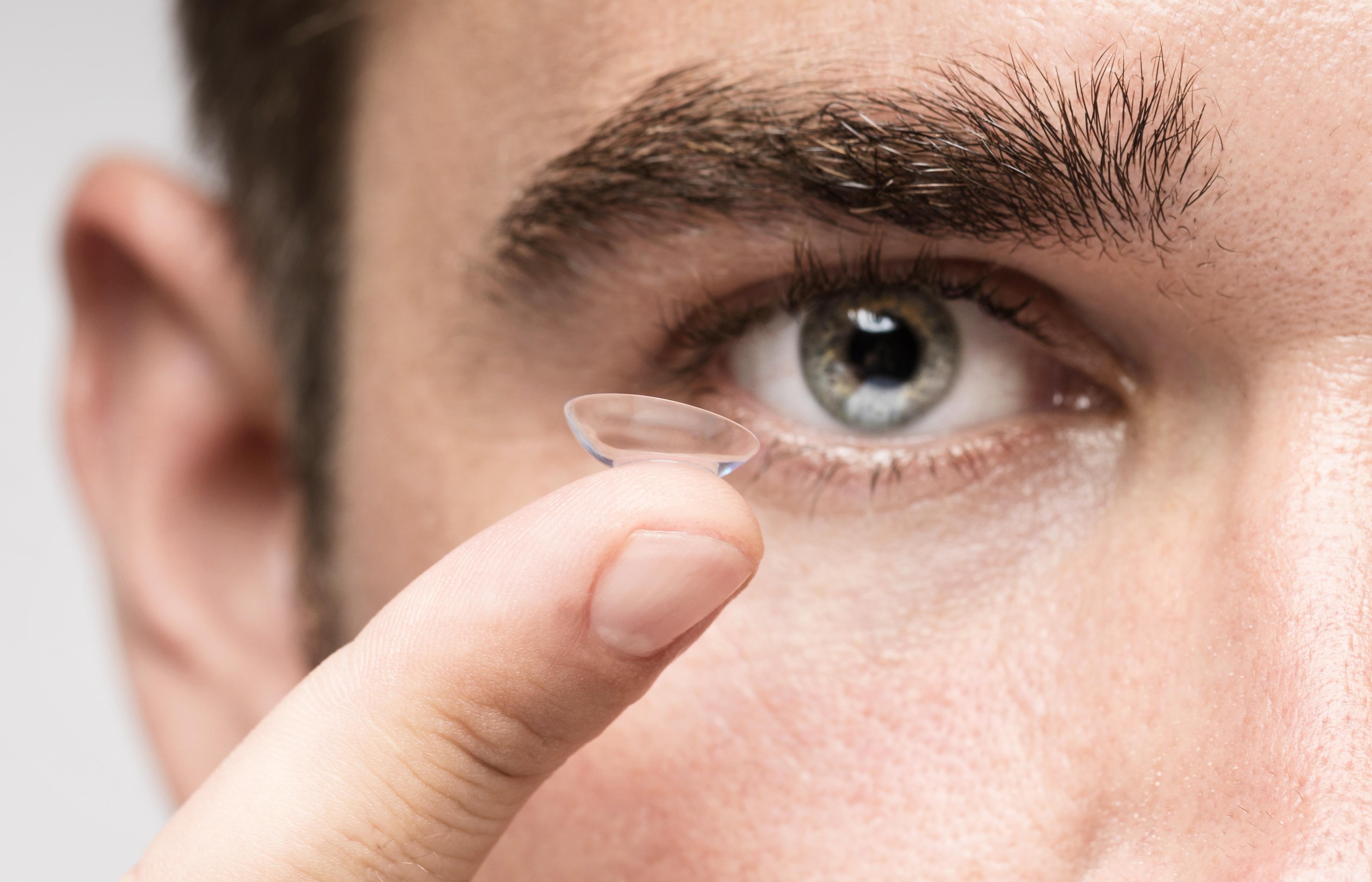
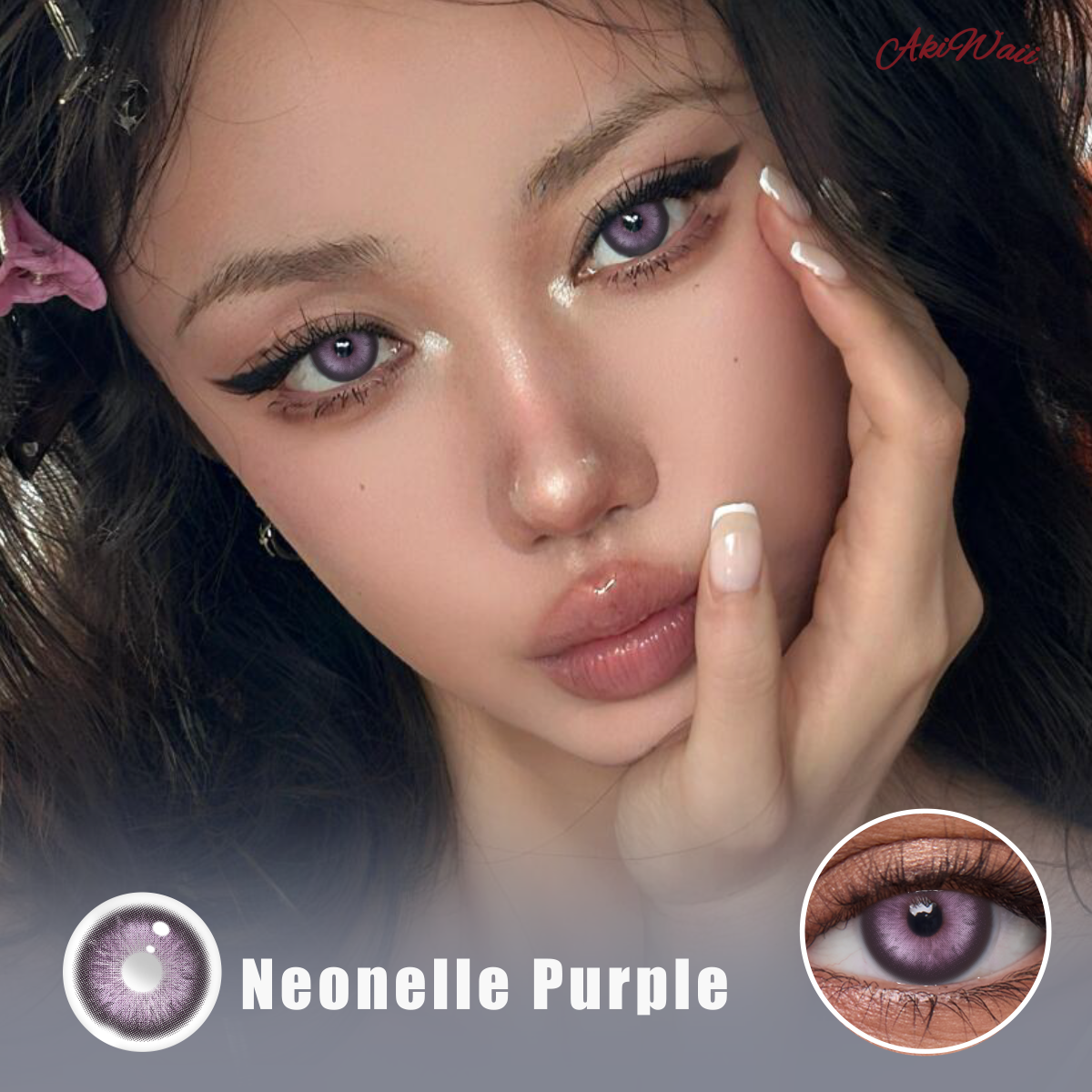
You can definitely get purple eyes with colored contacts! These lenses are a great way to get the look you want. They come in many styles - from subtle tints to bold opaque colors . You'll find options that work well with both light and dark natural eye colors .
Safety tips for using colored contacts
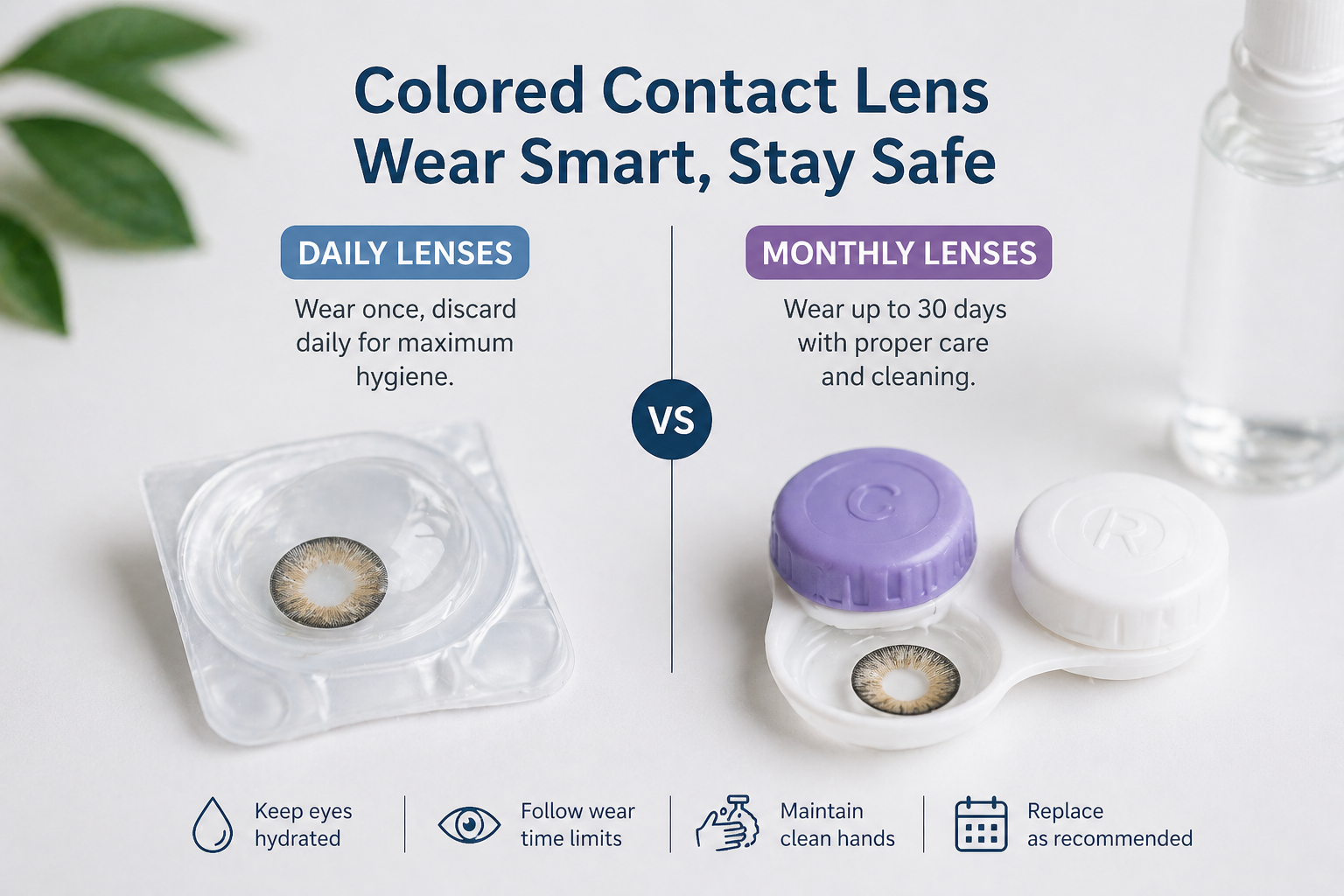
Note that all contact lenses need a prescription, even decorative ones, because they're medical devices . A proper eye doctor must fit your purple lenses. Don't buy contacts from unauthorized sellers like costume shops or street vendors . Clean your lenses with proper solution - never water or saliva. Replace the case every three months and keep your lenses to yourself . By doing this, you'll get to enjoy your purple eyes safely without putting your vision at risk.
Conclusion
Purple eyes are one of the most engaging and misunderstood features in human genetics. We have found that natural purple eyes exist, though they're incredibly rare. You'll mostly see them in people with specific types of albinism. The science behind this extraordinary color isn't from purple pigment. Instead, it comes from light scattering and visible blood vessels under an iris that lacks melanin.
You should be skeptical about most purple eye claims. People often talk about Elizabeth Taylor's violet eyes, but she likely had deep blue eyes that looked purple in certain lights. The sort of thing I love is how stories spread - take Alexandria's Genesis, which turned out to be just an online fiction story.
Contact lenses are a great way to get this unique look if you have a fascination with purple eyes. Just make sure they're properly prescribed and you manage to keep them clean.
Purple eyes continue to engage our imagination without doubt. Since they affect less than 1% of people worldwide, they've taken on an almost mythical status. This knowledge about the science and the big deal as it means that seeing them firsthand is quite rare will help you evaluate future claims.
These unique eyes remind us of human genetics' beautiful diversity and how melanin, light, and biology work together to create the amazing range of eye colors around us.