
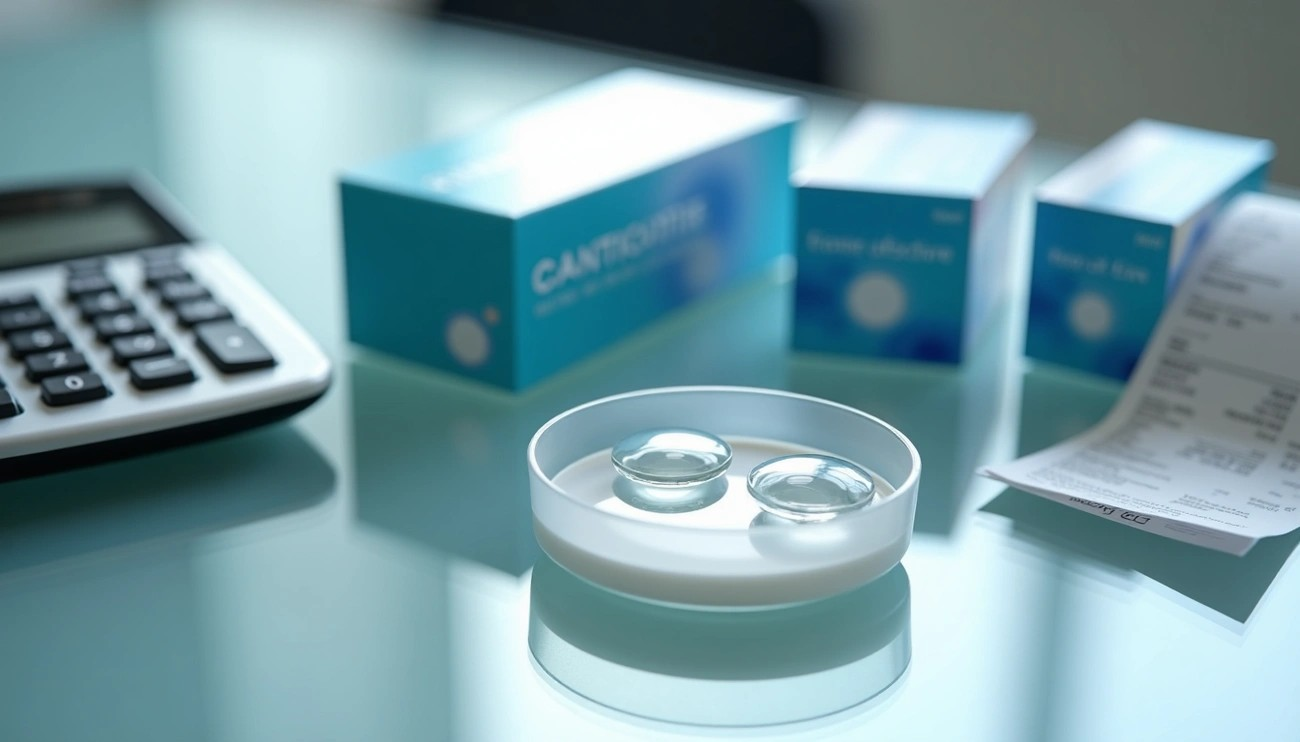
The price range for contact lenses in 2025 might surprise you. A box of daily disposable lenses costs between $30 and $50, which covers one eye for a month. People with astigmatism pay more by a lot - toric lenses run about $50 to $100 per box.
Your total contact lens expenses depend on several key factors. Annual price increases usually hover around 2-3%, though pandemic-related inflation pushed that number up to 9%. Your prescription's complexity plays a big role in yearly costs. To name just one example, multifocal lenses range from $60 to $120 per box. Rigid gas permeable lenses last up to a year and cost $100 to $200 per pair. Fitting fees add another $25 to $250 to your total cost.
This piece breaks down the actual costs you'll face for different types of contact lenses in 2025. You'll learn what drives these prices and smart ways to save money without compromising your vision health.
Real Contact Lens Prices in 2025
I analyzed the latest market data to show you what contact lenses will actually cost in 2025. Here's a breakdown of prices by type.
Daily disposable lenses: cost per box and per year
A box of standard daily disposables costs $30-$50 and contains a month's supply for one eye. You'll spend between $600-$900 for a full year of wear. Premium options like Dailies Total1 cost about $87 per box, which brings your annual cost to $872 for both eyes. Budget-conscious users can choose SofLens Daily Disposable at roughly $482 per year.
Monthly and biweekly lenses: average annual cost
Monthly lenses provide better value at $234 yearly compared to the $699 average for dailies. Biweekly disposables sit between these price points at $270-$450 per year. Popular monthly brands include Biofinity at $196 yearly and Air Optix Plus HydraGlyde at $219 yearly. Note that solution costs add another $50-$100 to your annual expenses.
Extended wear lenses: what to expect
Extended wear lenses cost more initially but can save money over time. Air Optix Night & Day costs about $45 for a six-lens box, adding up to $383 yearly. Biofinity's extended wear option costs around $65 for six lenses. These lenses need fewer replacements, and some can be worn continuously for up to 30 days.
Specialty lenses: astigmatism, multifocal, and color options
Specialty lenses come at premium prices. Toric lenses for astigmatism cost $302 yearly for monthlies and $876 for dailies. The national average for multifocal lenses stands at $279, with prices varying by region - from $216 in Alabama to $429 in Hawaii. Quality colored contact lenses range from $30-$80 per box. Premium brands like Solotica start at $29.50 for dailies and $93 for yearly lenses.
What Affects Contact Lens Costs?
You'll budget better by knowing what makes contact lenses expensive. The final price depends on several factors beyond the lens type.
Prescription complexity and customization
Your prescription's complexity affects lens pricing. Specialty lenses that correct astigmatism or presbyopia cost $30-$120 more per month than basic options. Complex vision needs require custom-made lenses through advanced manufacturing, which drives up production costs. You'll pay more for colored prescription contacts than non-prescription ones because they need extra customization.
Brand reputation and material quality
Big brands charge more because they put money into research and development. The materials make a big difference in pricing too. Silicone hydrogel lenses cost more than traditional hydrogel ones since they let more oxygen reach your eyes. Extra features like UV protection or better moisture retention add to the base cost.
Retailer type: online vs in-store
The place you buy from can change your lens costs dramatically. Local eye doctors often beat online prices through their manufacturer deals and special promotions. Big retailers can get better prices by buying in bulk and pass these savings to you. Some online stores might get lenses from international markets with different prices, but this raises questions about quality.
Fitting and eye exam fees
The core team of eye care professionals charge between $120-$250 for fittings and exams if you don't have insurance. This covers everything - measurements, vision tests, trial lenses, follow-ups, and training for new users. The FDA requires these yearly checkups to keep your eyes healthy and lenses fitting right.
Lens care products and accessories
Monthly or biweekly lens users spend $50-$200 yearly on solutions. A 12-ounce solution bottle runs $8-$20, and you'll need several throughout the year. Don't forget about lens cases and other supplies - these ongoing costs add up in your yearly budget.
How to Save on Contact Lenses
You don't need to compromise on quality or comfort to save money on contact lenses. A few smart strategies can help you maintain clear vision without spending too much.
Buy in bulk or annual supply
A full year's supply of lenses can save you significant money. Retailers typically give annual supply discounts between $25-100 off regular prices. To name just one example, see how buying a year's worth of Acuvue Oasys 1-Day saves $95, while Dailies Total1 gives you $100 back. Warby Parker sweetens the deal by throwing in a $50 eyewear bonus with annual supply purchases.
Use manufacturer rebates and coupons
Manufacturer rebates are a great way to get extra savings. New wearers can get up to $250 back from Acuvue when they buy an annual supply of OASYS MAX 1-Day Family lenses. CooperVision also gives rebates, but you need to submit them within 60 days after purchase. Major retailers often have coupon codes available - right now Walgreens gives 25% off with code CYBER25 through January 2026.
Subscription services
These services make sure you never run out of contacts and help you save money regularly. Hubble lets new customers try their first order for just $1. Most subscription plans save you 5-20% and ship free. Fresh lenses arrive based on your wear schedule, which helps you maintain better hygiene.
Check your vision insurance benefits
Most vision insurance plans cover contact lenses once every year or two. You can usually choose between using your benefits for glasses or contacts. Contacts Direct works with many insurance plans, both in-network and out-of-network. You might save up to $100 when combined with supply discounts.
Compare prices across retailers
Special price comparison tools help you find the lowest contact lens prices from different sellers. Many discount websites show active promo codes right in their shopping carts. Budget-conscious shoppers often find the best deals on , though shipping costs extra.
Are Contacts Worth the Cost?
The financial aspects of vision correction go beyond the original price tags.
Comparing contact lens cost per year to glasses
The numbers paint a clear picture. Glasses cost between $1,200 and $3,600 over a 10-year period, which includes frames, lenses and simple maintenance. Contact lenses cost much more—anywhere from $6,400 to $15,200 during the same timeframe. The yearly expenses for contact lens wearers average around $250. Users who need specialty lenses and solutions spend $600-$1,440 each year.
LASIK might be a better investment
LASIK surgery offers an interesting alternative for people who want a long-term solution. The procedure costs between $2,495-$2,595 per eye (about $4,500 total). Most people break even on their LASIK investment within 4-6 years compared to contact lenses. This makes LASIK an attractive option, especially when you have younger patients who could save up to $20,000 over their lifetime. In spite of that, you might need reading glasses as you age, even after LASIK.
Lifestyle and comfort considerations
Money isn't everything—comfort and convenience play a vital role too. Contact lenses give you clear peripheral vision and more freedom during physical activities. Glasses are a low-maintenance option that comes with minimal health risks. Your daily activities should guide your choice. Many athletes and outdoor enthusiasts find contacts worth the extra cost despite the higher price tag.
Conclusion
Contact lens costs vary a lot based on what you need and your priorities. Looking at the real costs of different lens types shows yearly expenses from $230 for simple monthly lenses to $900 for premium dailies. This price gap makes it vital to know your options when planning your budget.
Your unique situation will determine the best choice. Your prescription complexity, lifestyle needs, and budget all play key roles in finding the right contact lens solution. Daily lenses give you convenience and better eye health. Monthly lenses might work better for budget-conscious people even with the extra solution costs.
You can cut down expenses with smart shopping. Buying yearly supplies, using manufacturer rebates, joining subscription services, and making the most of insurance benefits can save you hundreds each year. On top of that, comparing prices between retailers shows some surprising differences worth checking out.
The bigger picture shows contacts cost more than glasses by a lot over time. You might spend $6,400-$15,200 over ten years compared to $1,200-$3,600 for glasses. This is why LASIK surgery could make financial sense for long-term wearers - you might break even in 4-6 years.
Choosing contact lenses isn't just about money. Many people happily pay premium prices for the freedom, comfort, and confidence contacts provide. Your vision correction choice is personal. It's about finding the right balance between what you can afford and what fits your lifestyle. Now with this complete cost breakdown, you can make a smart choice that works for both your eyes and your wallet in 2025.