How to Clean Special Effect Contacts: The Essential Contact Solution Guide

Did you know that using the wrong contact solution for colored contacts can cause serious eye infections and permanent vision damage?
Proper contact lens care matters whether you wear special effect lenses to look beautiful every day or to complete your Halloween costume. These eye-catching accessories come in colors and designs of all types , but they need specific care to protect your eye health. The law requires even non-prescription cosmetic lenses to have FDA approval for sale in the United States .
We've created this detailed guide to help you care for contact lenses the right way. Special effect contacts can move and cause irritation and abrasion if they don't fit or stay clean properly . Each lens type needs its own care routine that you must follow carefully . This piece covers everything from simple cleaning methods to picking the right contact solution, so your colored contacts stay safe and work well.
Understand the Basics of Special Effect Contacts
Special effect contact lenses do more than change your looks—they're specially manufactured medical devices that need precise care to protect your eyes. These lenses serve both cosmetic and sometimes theatrical purposes while interacting directly with your eye's delicate tissue.
What makes special effect lenses different
The manufacturing process of special effect contacts starts with the same clear soft lenses as regular contacts, but includes pigment printed onto them through a specialized process . Wearers can change their natural eye color or create dramatic effects like cat eyes, blind eyes, bloodshot appearances, or even mesh-style pixelated looks with these lenses .
You'll find most special effect lenses without prescriptions, which means they change color without correcting vision . All the same, the FDA classifies them as medical devices that need the same professional oversight as prescription contacts .
Understanding how these lenses are built matters a lot. Quality colored lenses have pigmentation safely embedded between layers . The center of theatrical lenses stays clear, so you can see through them while creating dramatic effects around the iris .
Why proper contact lens care is critical
Your eye health depends on proper care of special effect contacts. These lenses rest directly on your cornea, and poor fitting or care can cause corneal abrasions, allergic reactions, decreased vision, infections, and even blindness .
Most complications happen because of poor hygiene habits, not the lens itself . People often think decorative contacts need less care than vision-correcting ones, especially with occasional use . This belief puts their eyes at serious risk.
Contaminated or poorly fitted decorative lenses can cause infections faster and affect up to one out of every 500 contact lens users yearly . Your delicate eye surface and tear film interact with these lenses, so proper cleaning remains vital even if you rarely wear them.
These lenses often stay on longer during events or photo shoots, which makes them collect more protein buildup and become dry . The specialized pigments in these lenses mean that poor cleaning or harsh chemicals can damage the material and affect the tint or pattern .
8 Essential Tips for Cleaning Special Effect Contacts
Special effect contacts need specific cleaning routines to prevent eye infections and make your lenses last longer. These eight essential practices will keep your colored contacts in the best condition.
1. Always wash your hands before handling lenses
Note that you must wash your hands with soap and water before touching your contacts. This simple habit cuts down infection risks since poor hand hygiene ranks among the top risk factors for microbial contamination . You can sing the birthday song while scrubbing—this will give a proper cleaning time . Pick a soap without heavy fragrances or oils that could transfer to your lenses.
2. Use only recommended contact lens solution
Fresh multipurpose contact solution designed for your lens type is crucial. Generic solutions don't work well with modern contact lens materials . Eye specialists confirm that multipurpose solutions work well for all soft contact lenses, including special effect contacts .
3. Never use tap water or saliva to clean lenses
Tap water, homemade solutions, or saliva should never touch your contacts. Water contains microorganisms that can cause infections like Acanthamoeba keratitis . Tap water makes soft contact lenses change shape, swell, and stick to your eye .
4. Rub and rinse lenses after each use
Each lens needs a five-second rub between your fingers with fresh solution after removal . This helps remove deposits stuck to the lens. Research shows "rub and rinse" works better than even "no-rub" solutions .
5. Clean your lens case regularly
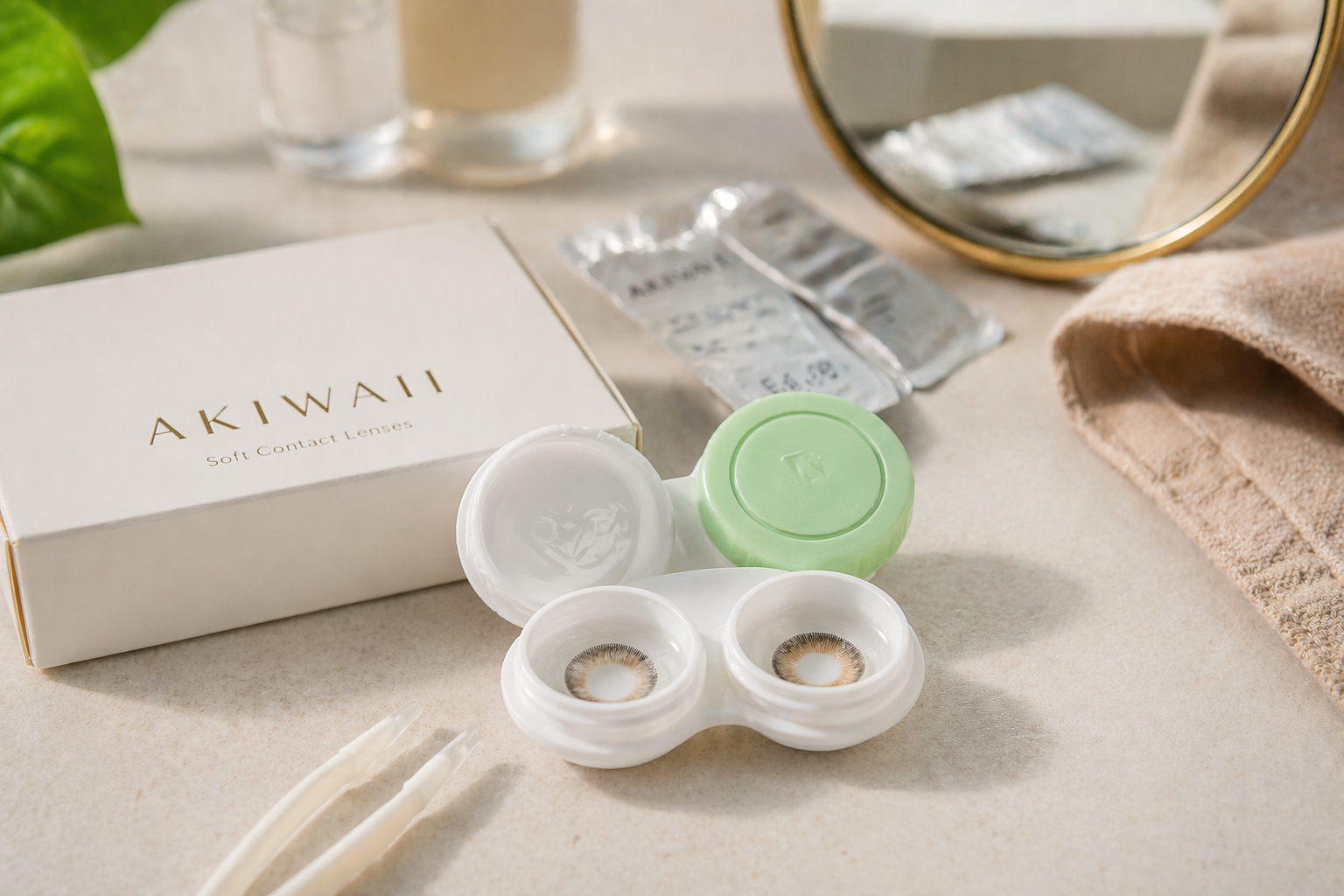
You should empty old solution daily and rinse the case with fresh contact solution—not water. A clean towel wipe is needed after each use . The case needs to stay uncapped to stop bacterial growth, since "anything that can live in your eye will not live in a dry contact lens case" .
6. Replace your lens case every 3 months
CDC research shows that over 80% of contact lens users keep their cases longer than they should . Bacteria builds up over time despite regular cleaning. New cases are needed every three months, or right away if they crack or get damaged .
7. Follow the correct order of lens insertion and removal
A consistent routine helps—start with the same lens (right or left) every time . Your hands must be completely dry before handling lenses because water residue can transfer microbes to them .
8. Never share your lenses with others
Sharing contact lenses is like sharing a toothbrush—it spreads bacteria and germs . The FDA states that sharing lenses puts you at risk since everyone's eyes have different sizes and shapes, not to mention the obvious hygiene issues .
Choosing the Right Contact Solution
The right solution for your special effect contacts matters just as much as how you clean them. You need the right product to protect your lenses and eyes from harm.
Can you use regular contact solution for colored contacts?
Regular multipurpose solutions work fine with special effect lenses most of the time. Companies design contact lens care systems to work with different lens materials . But not all solutions give you the same results. Generic or store brand solutions might not work well with newer special effect lenses because they're designed for older materials . Your eye care professional's recommended products are your best bet.
Types of solutions safe for special effect lenses
Two main types of contact lens care systems exist:
- Multipurpose solutions: These all-in-one products clean, rinse, disinfect, and store lenses. Popular brands like Biotrue and ReNu from Bausch & Lomb work well with both standard and cosmetic lenses .
- Hydrogen peroxide systems: Products like Clear Care are great at cleaning and disinfecting, which helps if you get protein deposits on your lenses .
What to avoid in multipurpose solutions
Stay away from eye drops that claim to "get the red out" - they contain chemicals that could harm your eyes . You should also skip solutions with preservatives since they can be toxic to your eyes . A hydrogen peroxide-based system might work better if your current solution causes sensitivity or allergic reactions . Your eye doctor should always know about any changes you plan to make to your contact lens care routine .
When to Replace or Stop Using Your Lenses
Your eye health depends on knowing the right time to replace your special effect lenses.
Signs your lenses are no longer safe
Look for these warning signs that show you need new lenses: blurred or distorted vision, discomfort, irritation, redness, excessive dryness, or debris buildup on lenses . Vision that stays cloudy after cleaning with contact solution for colored contacts points to stubborn deposits . Lenses that look bent or damaged need immediate disposal .
How long special effect lenses typically last
Special effect lenses come with specific replacement schedules based on their type. Contact lenses ended up expiring and you should never wear them beyond their expiration date . Expired lenses can break down and tear, which might hurt your eye . Even with good care, protein and oil deposits build up as time passes and create perfect conditions for bacteria .
When to consult your eye doctor
Get medical help right away if you notice:
- Redness, pain, or discharge from the eyes
- Decreased vision or sudden blurriness
- Sensitivity to light
- Discomfort that doesn't go away quickly
On top of that, don't expect these symptoms to clear up without help—waiting too long for treatment can make eye injuries worse and might cause lasting damage .
Conclusion
Your special effect contacts need proper maintenance to protect your eyes and make the lenses last longer. These specialized medical devices interact directly with your delicate eye tissue and require appropriate care whatever your wearing schedule.
Many users wrongly think special effect lenses need less attention than prescription contacts. This puts your vision at serious risk. You must follow our eight cleaning tips - from thorough hand washing to using only recommended solutions.
The right contact solution plays a vital role in eye safety. Most multipurpose solutions work well for special effect lenses, but generic brands might not give you enough protection. Watch out for signs that indicate your lenses need replacement: discomfort, blurred vision, or visible damage.
Taking shortcuts with your eye health is never worth it. A few extra minutes spent cleaning your special effect contacts properly outweigh what it all means for infection or injury. You can safely enjoy these dramatic transforming contacts and protect your vision for years by sticking to consistent cleaning routines and following recommended replacement schedules.
-.png?w=2000&h=1500)